

Texts


Every Wednesday, Sabzian publishes texts on cinema in Dutch, English or French.Chaque mercredi, Sabzian publie des textes sur le cinéma en néerlandais, en anglais ou en français.Elke woensdag publiceert Sabzian teksten over cinema in het Nederlands, Engels of Frans.
A Budding Filmmaker Generates a Past With a Future
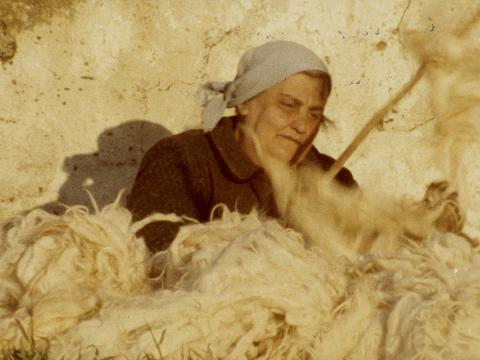
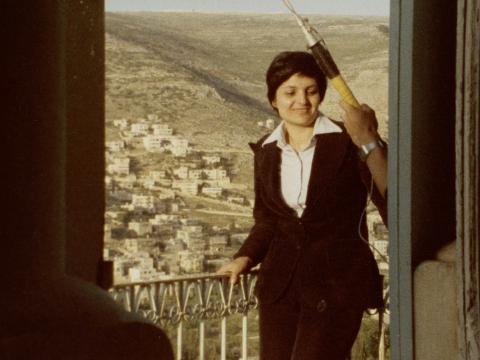
The source that irrigates Fertile Memory springs from two poles that constitute the foundations and permanence of the Palestinian soul: usurped land and women. Few films show daily life in the physical and temporal reality (32 years for Mrs Farah Hatoum) of the Israeli occupation. And if these films exist, their lack of credibility is such that at best, we make do with imagining the thoughts behind the gestures and gazes – the deepest dimension of which only the prism of culture will render.
Un cinéaste en germe génère un passé chargé d’avenir
La mémoire fertile jaillit de deux pôles qui constituent les fondements et la pérennité de l’âme palestinienne : la terre usurpée et la femme. Rares sont les films qui donnent à voir le quotidien vécu dans la réalité physique et temporelle (32 ans pour Mme Farah Hatoum) de l’occupation israélienne. Ou, lorsque ces films sont, leur non-crédibilité est telle qu’on se contente dans le meilleur des cas, de deviner les pensées qui habitent gestes et regards et que seul, le prisme de la culture, nous restitue dans leur dimension profonde.
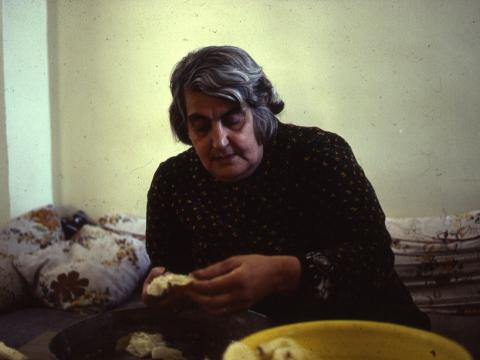
It is Khleifi’s achievement to have embodied certain aspects of Palestinian women’s lives in film. He is careful to let the strengths of Farah and Sahar emerge slowly, even if at a pace that risks losing the film the larger audience it deserves. He deliberately disappoints the expectations engendered in us by the commercial film (plot, suspense, drama), in favor of a representational idiom more innovative and – because of its congruence with its anomalous and eccentric material – more authentic.
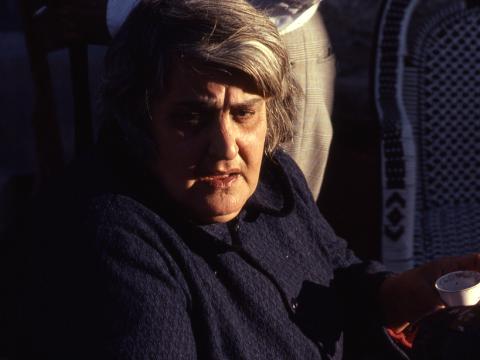
Khleifi a réussi à incorporer au cinéma certains aspects de la vie des femmes palestiniennes. Il prend soin de laisser les forces de Farah et Sahar émerger lentement, même si c’est à un rythme qui risque de perdre le grand public qu’il mérite. Il déçoit délibérément les attentes suscitées en nous par le film commercial (intrigue, suspense, drame), en faveur d’un langage de représentation plus innovant et, du fait de sa congruence avec son matériel irrégulier et excentrique, plus authentique.
Dimanche par Edmond Bernhard, 1963
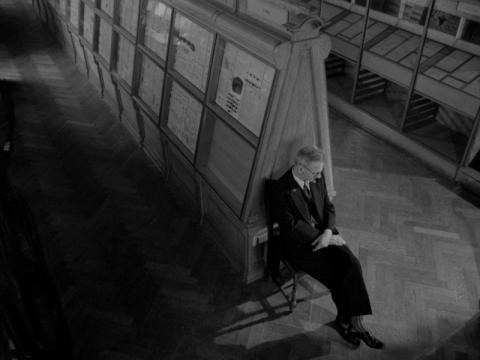
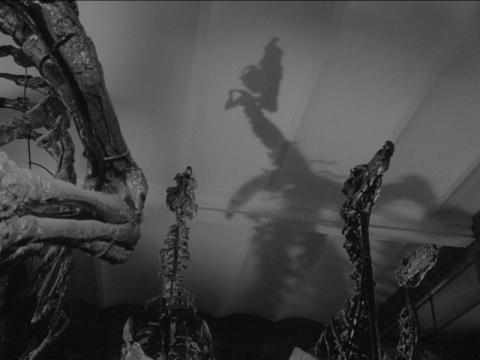
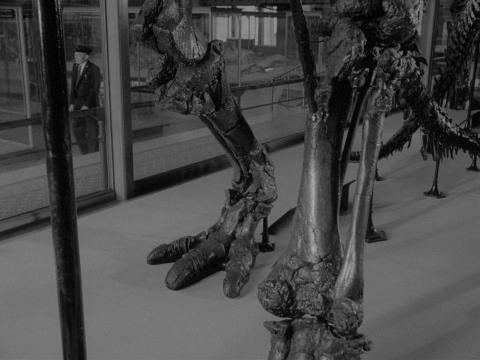
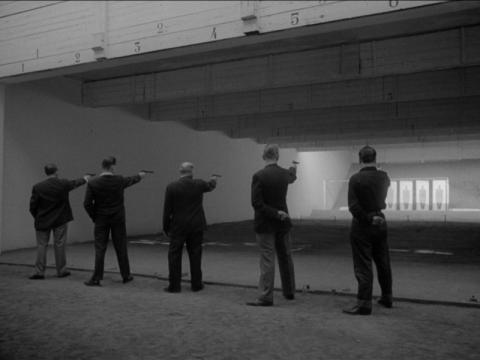
Film inclassable qu’aucune étiquette – ni « documentaire », ni « essai », ni « film expérimental » – ne suffit à désigner puisqu’il les recouvre toutes de son absolue singularité, Dimanche est un film unique et rare apparu de manière impromptue sur le terrain en jachère d’un cinéma belge qui ignorait encore, au début des années soixante, qu’il pouvait devenir « moderne ».
“There’s something crazy about editing. The little I learned about film technique and the manipulation of forms comes from editing really. Because I had to edit everything myself; I couldn’t afford an editor – and I didn’t want one anyway. I was too – what word do they use nowadays? – “invested”. Funny word.”
Le montage a quelque chose de fou. Ce que j’ai un peu appris de la technique de cinéma et de la manipulation des formes me vient réellement du montage. Parce que j’ai dû tout monter moi-même ; et n’avais pas de quoi m’offrir un monteur – du reste, je n’en avais pas envie. J’étais trop - comment dit-on maintenant ? – investi. Drôle de mot.
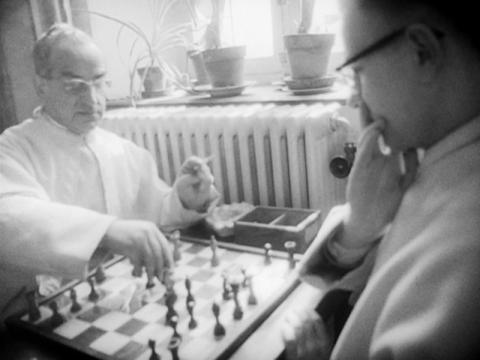
“Nothing can fix the finite which lies between the two infinities that enclose and flee from it.” This formula by Pascal may very well apply to the films of Edmond Bernhard, the most brilliant filmmaker Belgium has ever known. His entire oeuvre essentially consists of five short films made between 1954 and 1972, less than two hours of screening time in total: Lumière des hommes (1954), Waterloo (1957), Belœil, ou Promenade au château de Belœil (1958), Dimanche (1963) and Échecs (1972).
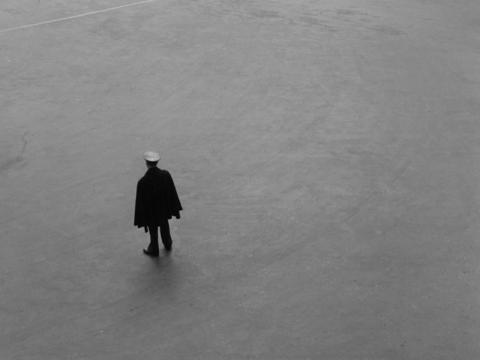
« Rien ne peut fixer le fini entre les infinis qui l'enferment et le fuient. » Cette formule de Pascal peut fort bien s'appliquer aux films d'Edmond Bernhard, le plus génial cinéaste que la Belgique ait connu. Son œuvre entière tient essentiellement en cinq courts métrages réalisés entre 1954 et 1972, qui totalisent moins de deux heures de projection : Lumière des hommes (1954), Waterloo ( 1957), Belœil, ou Promenade au château de Belœil (1958), Dimanche (1963) et Échecs (1972).
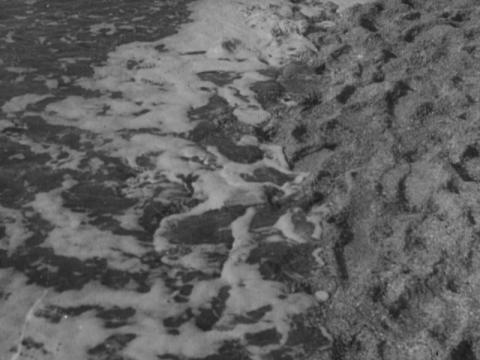
With nimble-fingered virtuosity, he operated an array of objects arranged around his piano: fake pistols for crime-of-passion gunshots, castanets to imitate the sound of horses’ hooves, grains of lead sliding over a canvas for the sound of waves, buckets of water and sponges for the sound of raindrops. From high up in my little room across the street, I could hear the sounds of the piano, which allowed me to understand what kind of film it was: a farce, a bourgeois drama, a romantic comedy, or even a violent storm at sea or bolting horses at a gallop.
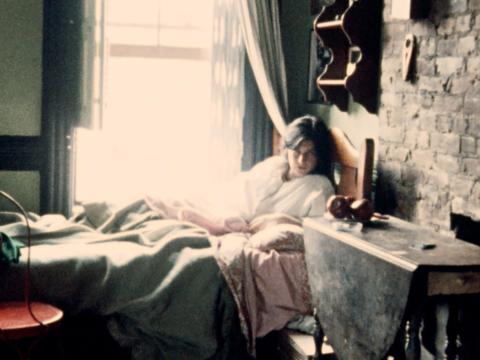
A Film by Chantal Akerman
The day I decided to think about the future of cinema, I told myself I wouldn’t live to see it. I asked myself if the future is always in front of us. So I looked ahead, then I turned around.
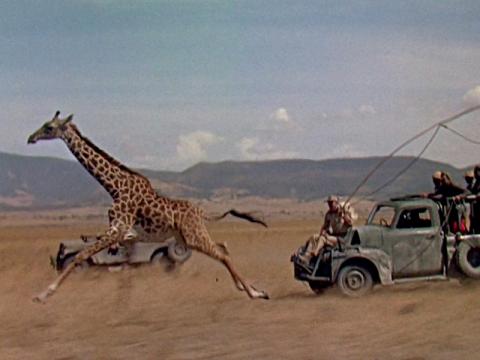
Hatari! is an enormous film, one which is only saved from its monstrosity by the incredible intelligence of its director. It is a summation in which all the aspects of cinema are stirred together, amalgamated. The labyrinthine complexity of its construction is dizzying. Watching it can only put one off, or leave them wiped out.
Met Dirk Lauwaert in het klaslokaal en de filmzaal
Ik kan nog zoveel regels afkondigen en (proberen te) handhaven, nooit kan of wil ik de gedachten van de student controleren. Uit het raam staren is een recht van elke leerling. De aula mag dan geen vensters hebben en de digitale verbinding met de buitenwereld mag dan tijdelijk zijn verbroken, niets verhindert de student (of bioscoopganger) te dagdromen, in gedachten boodschappenlijstjes op te stellen, creatieve projecten of amoureuze plannen te smeden, familiale, financiële, lichamelijke of mentale problemen te overpeinzen terwijl ik vooraan mijn best doe. Of terwijl de film zijn ding doet. Net zoals de film poog ook ik niets te bewijzen, niemand te overtuigen. Ik wil geen zieltjes maar aandacht winnen. Hier en nu.
Into the Classroom and the Cinema with Dirk Lauwaert
Herman Asselberghs is currently working on a long-term film project at the film department of the LUCA School of Arts, where he has been teaching for two decades. Through the realization of a film essay, he probes the relationship between attention and distraction in the film theatre and the classroom. Throughout the creation process, Sabzian reports on his accompanying reading and writing. On a regular basis, Asselberghs selects an existing text that interests him and that he himself provides with an accompanying text. In this second instalment, he probes possible overlaps between teaching and film-watching by means of Berichten uit een klas [Reports from a Classroom], Objectieve Melancholie [Objective Melancholy] and other key essays by the Belgian critic Dirk Lauwaert. He also reminisces about Lauwaert’s overlooked Filmparties.
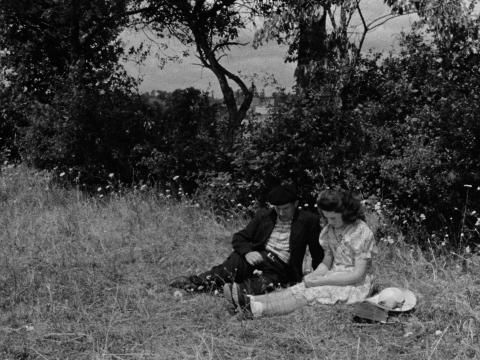
The Film That Won’t Be Shown at the Cannes Festival: Farrebique
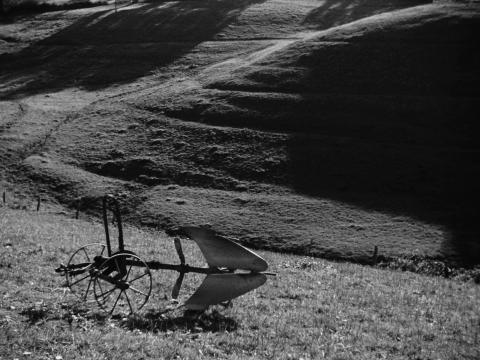
Much of the poetry emerging from this film emanates from what is not said, from the faces of those whose inner lives are only to be guessed. Only a director permeated with the life of farms and fields could have achieved this tour de force.
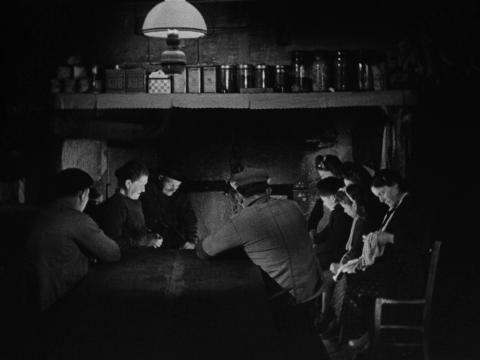
“I already knew that you can’t just make a film overnight with people who aren’t actors. Especially when you want to make a feature film. And there I was, plunging into a spoken feature-length film. Some friends had told me, “Be careful!” I responded, “Damn it! Flaherty made Nanook, and he made Moana!” “Ah yes, okay, but that’s silent film! You, your peasants, when they open their mouths, you’ll see, it’ll be a catastrophe.” I hung on all the same. Of course, you can’t make them play Le Cid or Hamlet... You have to make them play something that’s closer to their hearts.”
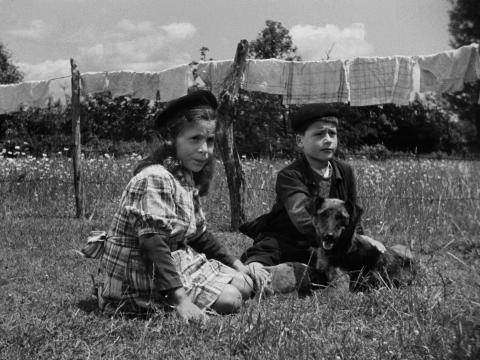
Farrebique by George Rouquier
That is why this film is a great work of art. After all, the eternal can only be reached through the present: the best chance to stand the test of time is to radically be a child of your time.
Reflections on a Polemic
The film was barely finished, and the “Farrebique affair” began – the selection committee of the first Cannes Film Festival eliminated the film from the competition […]. “That Farrebique will not be going to Cannes is an outright scandal,” Maurice Bessy declared [...]. “Although some reservations could be made about the arbitrary conception of the subject,” wrote Georges Sadoul, “Farrebique clearly had its place at the festival, whereas the particularly incontinent logorrhea of A Lover’s Return should have been refused even a back seat.” But the screenwriter of this last film, Henri Jeanson, was the very committee member who fought for the rejection of Farrebique, although he denies that: “Farrebique was not presented to us for approval. I am, admittedly, one of those who find this film boring. I don’t consider cow dung to be photogenic material. I agree that I may be wrong, but I protest against those who claim in bad faith that Farrebique was rejected.”
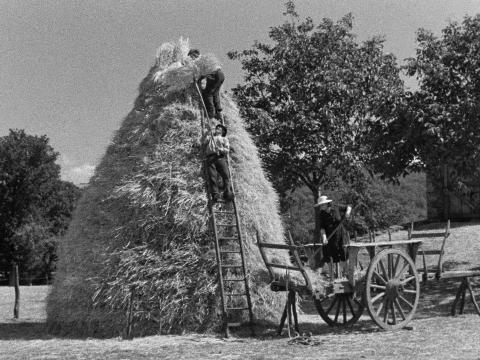
There’s no lack of so-called realist films, whether they are news stories or slices of life. There’s not even a lack of peasant films. Why is Farrebique the odd one out? That’s where, for me, Rouquier’s genius comes in, his egg of Columbus. He understood that verisimilitude had gradually taken the place of truth, that reality dissolves in realism. He painstakingly set out to discover it, to bring it back to light, to bring it up naked from the well of art.
Wij zien geen toekomst in een stiefmoederlijk beleid dat “scherpe” keuzes maakt, er is integendeel dringend nood aan zorgzame en correcte ondersteuning van alle bestaande initiatieven. Wij zijn van mening dat een voldragen en divers filmlandschap zich enkel blijvend kan manifesteren wanneer dat gepaard gaat met de ontwikkeling van een scherpzinnige en diepgaande filmkritiek. Red de filmcultuur, investeer in filmkritiek!
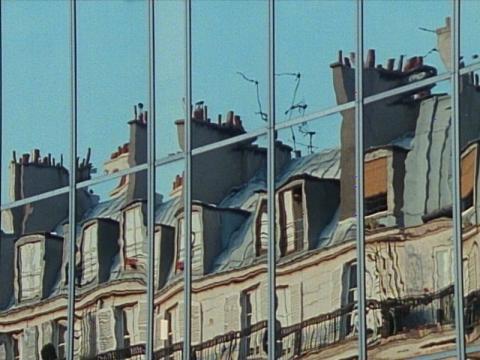
To Make Images Speak
TV-programme producers occasionally try to make their works available for repeated viewing in addition to one-off screenings. As is the case with Voyage à Paris, which is like a beautiful poem you want to read several times, or a piece of music you want to hear several times. This visual essay contains a couple of passages you will remember especially well, transitions that are so intriguing that you will want to further savour them.
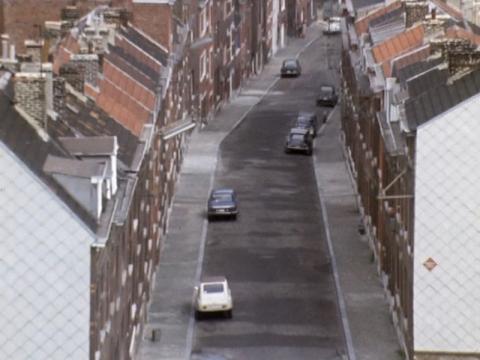
As part of its 1971–1972 programme, the Van Abbemuseum in Eindhoven has planned an exhibition on the street as a form of visual environment. The museum thus becomes part of an international trend that manifests a renewed interest in the street as a living environment.
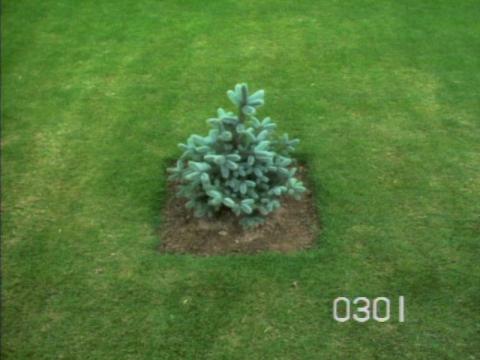
Op stilistisch vlak is de film [Abdij van het Park Heverlee] enigszins verwant aan de aanpak die Alain Resnais voorstond in L’année dernière à Marienbad. Zelf heeft Cornelis de relatie gelegd met de werkwijze van Alexandre Astruc en diens zogenaamde Caméra-Stylo. “Net zoals Astruc zoek ik hoe je iets opbouwt, zoek ik naar ritmes”, aldus Cornelis.
Stylistically, Cornelis’ approach [in Park Abbey Heverlee] is somewhat similar to the method used by Alain Resnais in L’année dernière à Marienbad (1961). Cornelis himself pointed out a connection to Alexandre Astruc’s so-called Caméra-Stylo. “Like Astruc, I seek ways to build up to something; I seek rhythms,” explains Cornelis.
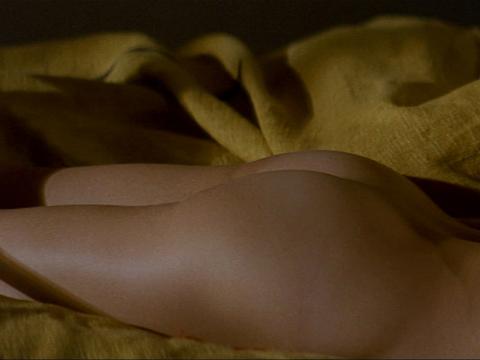
On four minutes of Godard
Godard doesn’t even consider turning Bardot into a character shattering the stereotypical image the mass media make of her. He presents Bardot as ‘Bardot’. He cites the phenomenon Bardot, uses it as a kind of ready-made, without irony. And because the mass media associate the name Bardot with ‘nudity,’ he promptly presents her naked. It is as if Godard is saying to the audience: “You came to watch a film with Bardot? Here she is in her entirety, totalement, naked like Urbino’s Venus.”
Over vier minuten Godard
Godard denkt er niet aan om van Bardot een personage te maken dat het stereotype beeld dat de massamedia van haar ophangen, doorbreekt. Hij voert Bardot als ‘Bardot’ op. Hij citeert het fenomeen Bardot, gebruikt het als een soort readymade, zonder enige ironie. En aangezien in de massamedia de naam Bardot geassocieerd is met ‘bloot’, voert hij haar ook meteen bloot op. Het is alsof Godard tegen het publiek zegt: “Je komt naar een film met Bardot kijken? Hier heb je haar meteen helemaal, totalement, naakt als de Venus van Urbino.”
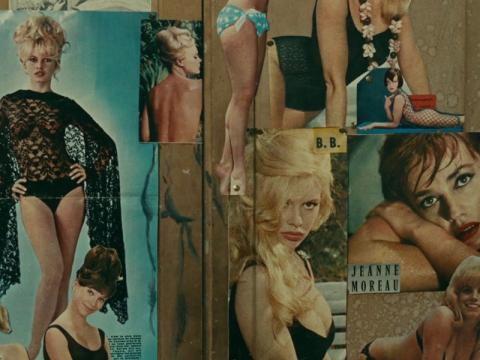
Naar aanleiding van de restauratie van Agnès Varda’s Le bonheur (1965) in 2023 herpubliceerde Sabzian Eric de Kuypers kritiek van de film, oorspronkelijk verschenen in het cultureel-maatschappelijk maandblad Streven. Voor deze gelegenheid voorzag de Belgische filmmaker en auteur zijn kritiek van een nieuw commentaar. Eric de Kuyper: “Voor zover ik mij herinner was de receptie van Le bonheur nogal controversieel, met voornamelijk ethische pro- en contracriteria. Een effect dat Agnès Varda vanzelfsprekend had nagestreefd. Mij leek dat een valkuil. Varda verpakte haar film in een nogal extreme vorm van esthetiek. Dit was te mooi om waar te zijn!”
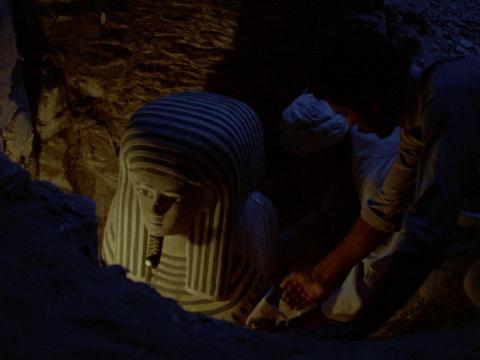
La momie de Chadi Abdel Salam
Votre film est donc avant tout une réflexion sur Je destin d’une culture nationale ?
Bien entendu. La trame policière de l’histoire ne m’a servi que de prétexte. Par ailleurs, La momie est un film que j’ai senti, et donc construit, à plusieurs niveaux.
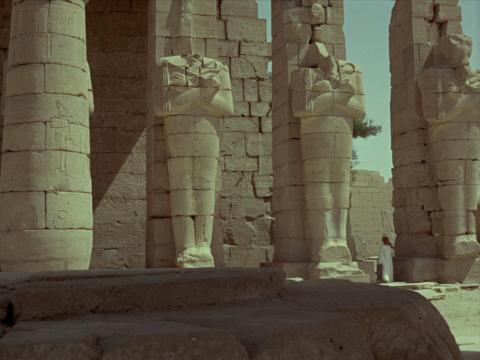
Shadi Abdel Salam carried two cultures within him: he was born and raised in Alexandria, and his mother and maternal ancestors came from Al-Minieh. He travelled in two worlds: that of the cosmopolitan city of Alexandria and its rich Hellenic heritage, and that of Al-Minieh, the pearl of Upper Egypt, imbued with traditions and customs drawing their rigidity from distant pharaonic origins. Although he looked like a noble cavalier, with matching gentleman-like qualities, fluent in English, French and Italian, he always remained that austere son of Upper Egypt, linked to his ancestors who lie inside the tombs dug into the hills of Thebes by a very long history.
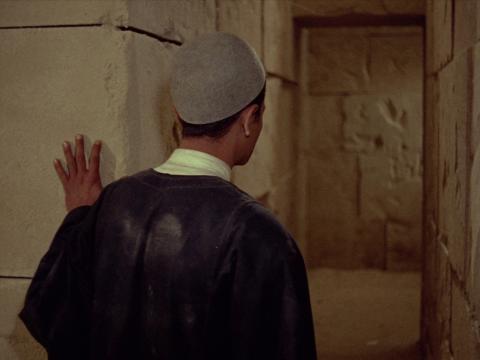
On 16 December 1969, The Mummy was shown for the first time to the audience of the Cairo Film Club, which included many intellectuals. In the dark, Shadi Abdel Salam waited for the reaction of his family and friends to this new work of art. All were moved by the film’s sober technique and by its theme, which was deeply touching for Egyptians: a sacred theme presented in a new form – the language of film – and accompanied by the sincerity that’s in harmony with this people.
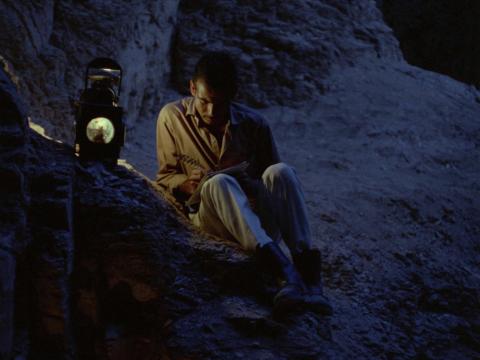
The Mummy by Shadi Abdel Salam
So, your film is above all a reflection on the destiny of a national culture?
Absolutely. The crime narrative was just a pretext. Besides, The Mummy is a film that I felt, and therefore constructed, on various levels.
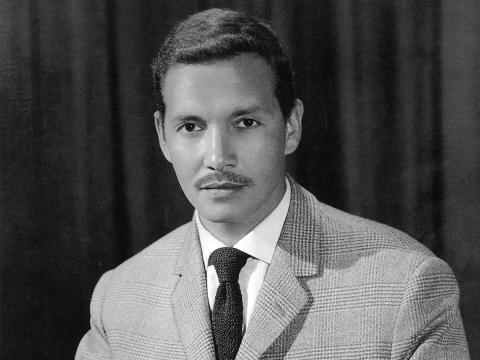
Shadi Abdel Salam’s Words
A biographical chronicle of Egyptian screenwriter, costume and set designer, and filmmaker Shadi Abdel Salam (1930-1986) narrated by means of a collection of excerpted interviews.
“I am from both Upper Egypt and Alexandria … the son of conservative families from Minya and Alexandria. My father was a lawyer, a man of the law … My name is Shādī Muhammad Mahmūd ‘Abd al-Salām.”
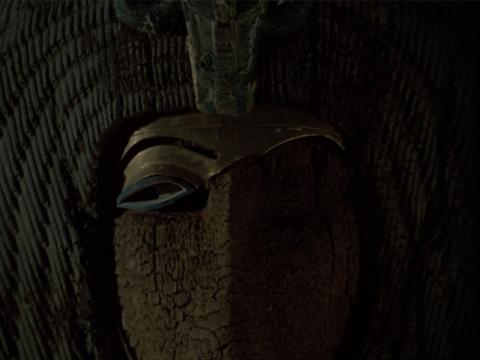
A Screenplay by Shadi Abdel Salam
Shadi Abdel Salam’s entire screenplay for Al-mummia [The Mummy] (1969), also known as The Night of Counting the Years.
“Long pan of the Pennedjem Papyrus showing: the god Anubis; the two goddesses Isis and Nephtys; five wailing women; a mummy inside a shrine over a sledge before whom two priests offer a piece of meat and other offerings; and lastly the mummy, with the Jackal-headed Anubis standing behind it. Interior. Night. Corner, Cairo Museum, Summer 1881 A.D.”
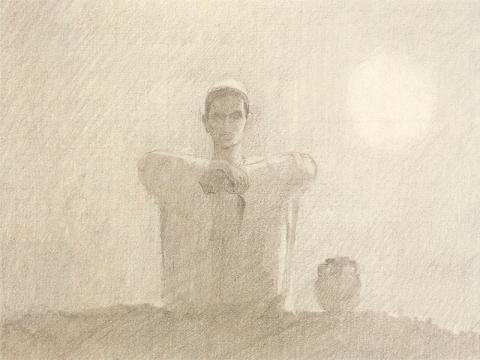
Drawings sketched by Shadi Abdel Salam in preparation for his film Al-mummia [The Mummy] (1969), also known as The Night of Counting the Years.
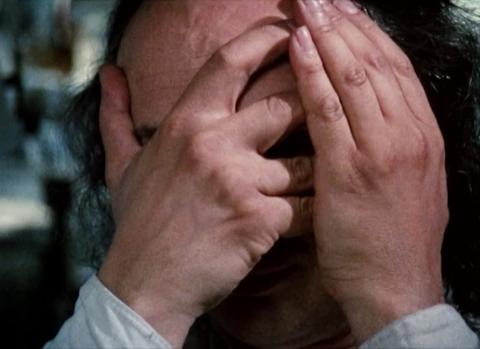
The Films I’ve Made and Don’t Exist
If I don’t film, I don’t see anything, I don’t remember anything, neither trees nor faces. If I film them, I can forget them. My film is my memory, a catalogue of facts and gestures, a (very incomplete) inventory of my life.
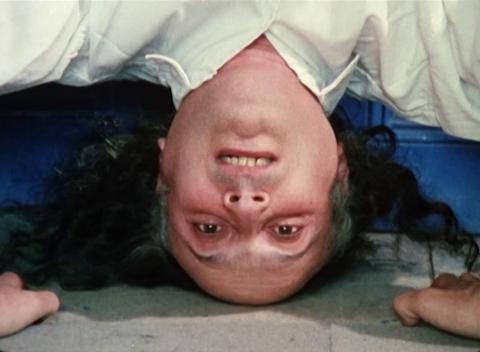
“My films are like fables, and reality is their backdrop. They imitate the simple form of a diary, they are autobiographical, since they often deal with a quest for identity and a search for origins, and I often appear in them as a subject and as a character.”

Film is (and this is my fundamental assumption) not art in the bourgeois-humanist sense of the word. It is an industry and a very important part of the so-called culture industry at that. Those who switch from the category of art to the category of culture industry ultimately make a political-ideological choice, the consequences of which can hardly be overrated.
Aantekeningen over Lovers Rock, december 2020
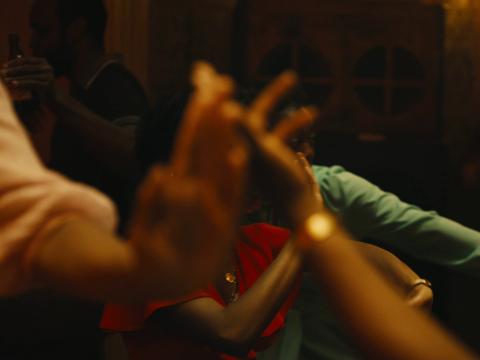
In Lovers Rock (2020), McQueens zelfverklaarde “musical” gebaseerd op zijn jeugdherinneringen aan Londense “blues parties”, neemt de roep van de vervoering de allure aan van een hymne. Wanneer, op de wulpse tonen van Janet Kays Silly Games, lichamen zich gracieus in beweging zetten en elkaar aftastend beroeren, vult de ruimte zich met een peilloze hunkering. Maar als de muziek zachtjes wegdeemstert en een woordeloos akkoord wordt gesloten om dat gevoel collectief verder te zetten, wordt het lied a cappella opnieuw ingezet: “I’ve been wanting you / For so long, it’s a shame / Oh, baby.”
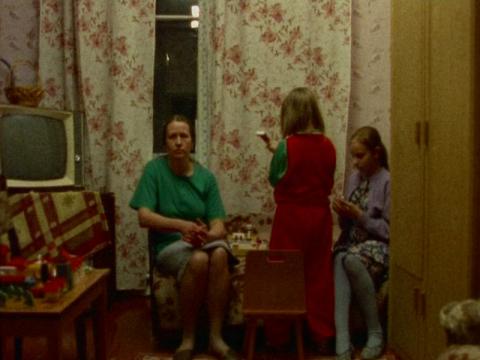
Al te vaak denkt men dat men in de montage eerst de structuur van de film moet uitwerken om het verhaal op poten te zetten en daarna het ritme bepaalt door de duur van de sequenties op elkaar af te stemmen. Dat is voor mij onmogelijk. Het zou de inhoud loskoppelen van de vorm, de gedachte van het gevoel. Ritme is het hart van het werk, het is er de adem van. Het is ook het samenbrengen van kleuren, vormen en lijnen.
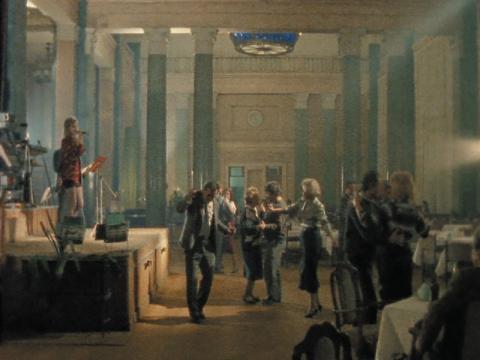
Trop souvent on pense qu’en montage il faut d’abord travailler la narration en trouvant la structure du film, puis le rythme en affinant les durées. Pour moi c’est impossible. Ce serait comme dissocier le fond de la forme, la pensée du sensible. Le rythme, c’est le cœur d’une œuvre, son souffle. C’est aussi l’association des couleurs, des formes, des lignes.
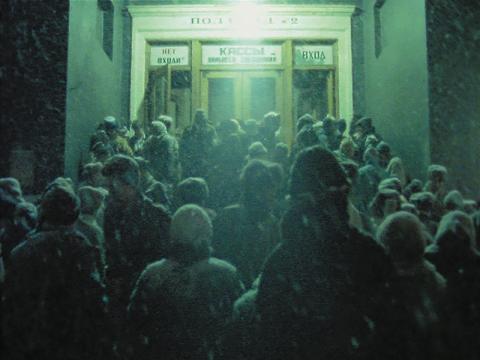
Too often people think that when editing you have to start by working on the narrative and finding the film’s structure, and only then move on to its rhythm by refining the length of the shots and sequences. I find that impossible. That would be like separating content from form, thought from the perceptible. Rhythm is the heart of the film, its breath. It’s also the association of colors, shapes, and lines.
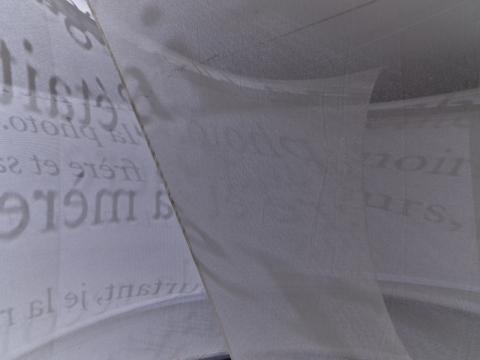
In Akermans installatie Marcher à côté de ses lacets dans un frigidaire vide (2004) neemt het woord niet enkel de ruimte in, het wordt beeld. Het vervangt de afwezigheid van het beeld.
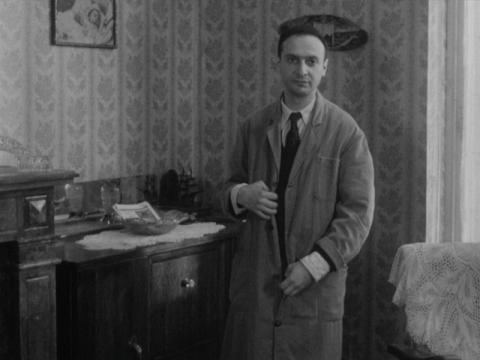
Brussel-transit is ontegenzeglijk een autobiografisch verhaal. Niet helemaal documentair, noch helemaal fictief, niet helemaal het heden, noch helemaal een reconstructie neemt de film zowat al die vormen aan, maar ook iets ondefinieerbaars en ongrijpbaars dat met de herinnering te maken heeft.
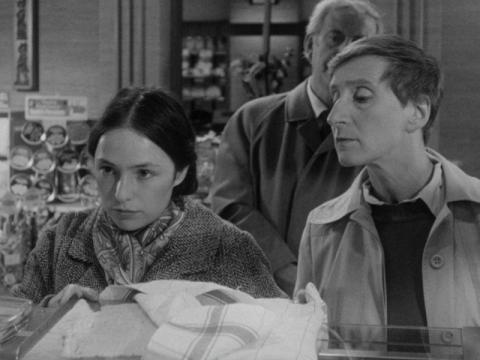
Bruxelles-transit relève sans conteste du récit autobiographique. Ni tout à fait documentaire ni tout à fait fiction, ni tout à fait présent, ni tout à fait reconstitué, il prend corps d'un peu tout cela, mais aussi de quelque chose d'indéfinissable et d'impalpable qui tient du souvenir.
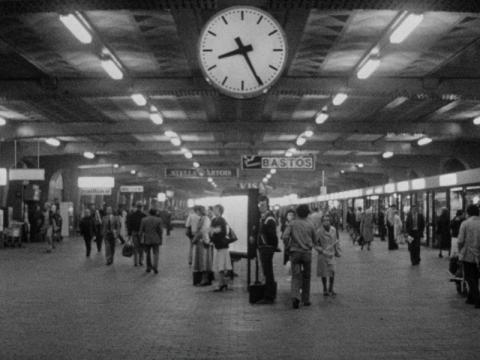
Bruxelles-transit is grotendeels autobiografisch en begint als een quasi-documentaire film waarin de acteurs (of actants) niet meer dan silhouetten zijn die in het zwart-witte (meer zwarte dan witte) stationslandschap zijn geplaatst, de plaats of non-plaats bij uitstek van de oorsprong van reizen en ballingschap, van de hier zo symbolische transit uit het verhaal van Samy’s ouders, die uit Polen kwamen met een visum voor Costa Rica.
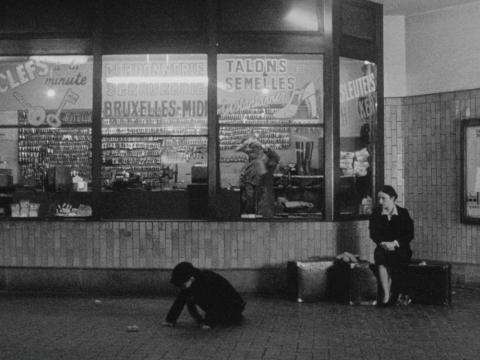
Largement autobiographique, Bruxelles-transit commence comme un film quasi documentaire, où les acteurs (ou actants) ne sont que des silhouettes placées dans le paysage noir et blanc (plus noir que blanc) de la gare, lieu ou non-lieu par excellence de l’origine du voyage et de l'exil, du transit ô combien symbolique ici de l'histoire des parents de Samy venus de Pologne avec un visa pour le Costa Rica.
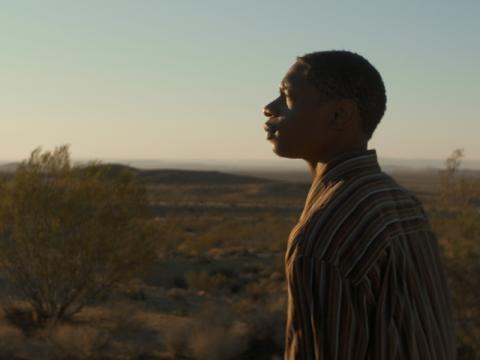
Een interview over Victoria (Isabelle Tollenaere, Liesbeth De Ceulaer, Sofie Benoot, 2020)
Parallel aan hun autonome filmprojecten werkten de documentairemakers Sofie Benoot, Liesbeth De Ceulaer en Isabelle Tollenaere jarenlang samen aan een film die zich afspeelt in de Amerikaanse woestijn. Victoria is gegroeid uit een voortdurende dialoog tussen drie filmmaaksters die ervoor kozen om samen een weg tot het einde af te leggen. Op een reis door de woestijn ontmoetten ze Lashay. Hij treedt op als gids doorheen een landschap waar de levens van uiteenlopende woestijnbewoners met elkaar verknoopt zijn. De Ceulaer: “Victoria bestaat uit verschillende lagen die we met elkaar wilden verweven, zoals de relatie van Lashay met California City en Los Angeles of de verschillende aspecten van Lashays persoonlijke situatie. Het was een enorme opgave om tot deze structuur te komen, ook al lijkt die zo eenvoudig.”
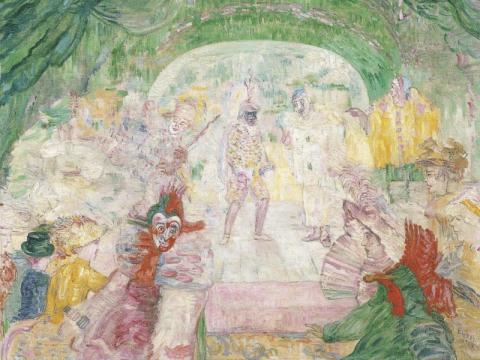
Zowel de openingsfilm van Film Fest Gent 2018, Girl van Lukas Dhont, als de slotfilm, Beautiful Boy van Felix Van Groeningen, waren gebaseerd op waargebeurde verhalen. De eerste is het relaas van een jonge transvrouw, de tweede dat van een jongeman die met een drugsverslaving worstelt.
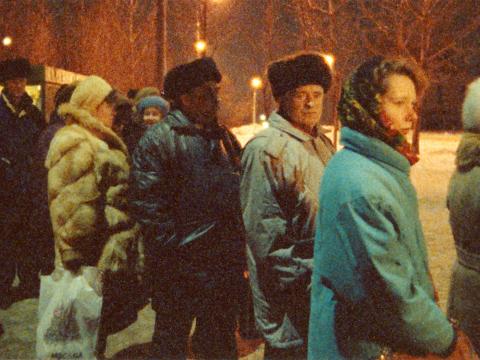
“The real is what is. It sounds simple. And yet, if we try to define it, we are struck by dizziness. The question likely is how do we humans relate to what is? ”
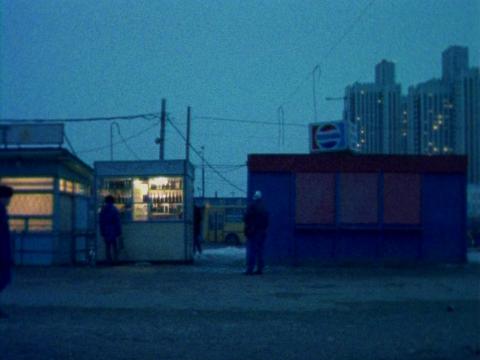
« Le réel, c’est ce qui est. Cela paraît simple. Et pourtant, si on essaie de le définir, on est pris de vertige. La question est sans doute : comment nous, humains, pouvons-nous être en relation avec ce qui est ? »
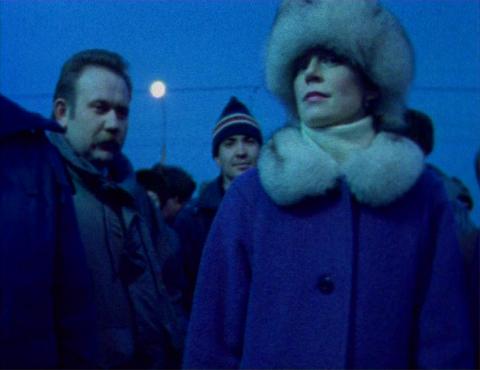
“De werkelijkheid, dat is wat is. Dat klinkt eenvoudig. En toch, als we haar proberen te definiëren, worden we er duizelig van. De vraag is waarschijnlijk hoe wij, mensen, in contact kunnen treden met wat is?”

Un texte écrit et lu par Claire Atherton lors de la soirée hommage à Chantal Akerman à La Cinémathèque française, avant la projection en avant-première de No Home Movie (2015). Atherton : « J’ai envie de vous parler de Chantal. De vous dire tout ce qu’elle m’a donné, tout ce qu’elle m’a appris, tout ce qu’on a partagé. De vous raconter comme elle était, lumineuse, intelligente, surprenante, et drôle aussi... »
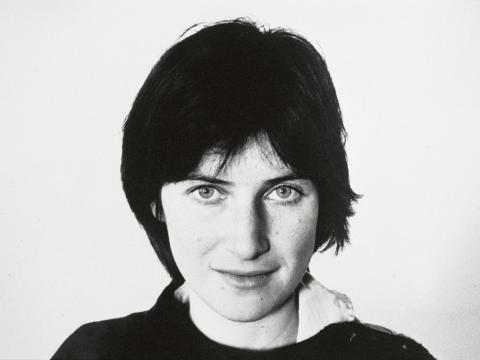
A text written and read by Claire Atherton during the homage to Chantal Akerman at the Cinémathèque Française on 16 November 2015, before the premiere screening of No Home Movie (2015). Atherton: “I want to speak to you about Chantal. To tell you everything she gave me, everything she taught me, everything we shared. To tell you how she was: luminous, intelligent, surprising, and funny too …”

Claire Atherton las deze tekst voor op de avond ter ere van Chantal Akerman in de Cinémathèque Française op 16 november 2015, voor de vertoning van No Home Movie (2015). Atherton: “Ik wil het met jullie over Chantal hebben. Ik wil jullie vertellen over alles wat ze me gaf, alles wat ze me leerde, alles wat we deelden. Jullie vertellen hoe ze was, lumineus, intelligent, verrassend en ook grappig ...”
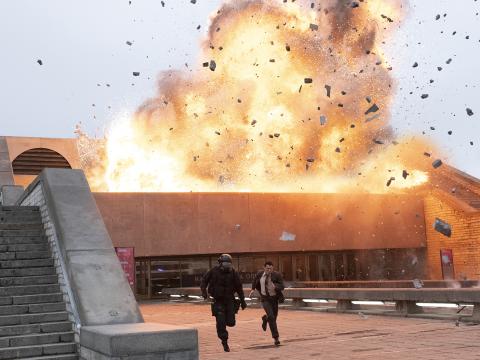
Christopher Nolans Tenet
Tenet is zowel Nolans beste als slechtste film. De beste, omdat de regisseur hier voor het eerst ten volle zijn eigen holle doos lijkt te omarmen; maar ook de slechtste, omdat net die resten van het inhoudelijke de film uiteindelijk tot de nederlaag veroordelen. De formalist die niet uit de kast wilde komen, of de pornograaf die geen porno durfde te maken: ziedaar de formule van Tenet.
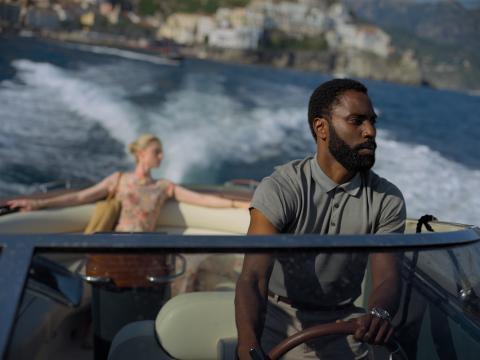
Christopher Nolan's Tenet
Tenet is both Nolan’s best and worst work to date. The best, because the film is his first earnest embrace of his hollow box, his first explicit love letter to emptiness. But it is also the worst, because it is precisely those remnants of content which ultimately condemn the film to its defeat. Nolan is the formalist who dared not speak his name, a manqué mannerist, afraid that the day of his outing would also be his last. The pornographer who would not make porn: this is Tenet’s formula.

Jean Renoir’s The River
André Bazin is sometimes called “the inventor of film criticism”. Entire generations of film critics and filmmakers, especially those associated with the Nouvelle Vague, are indebted to his writings on film. Film opens a “window on the world”, according to Bazin. His writings would also be important for the development of the auteur theory. Bazin: “Jean Renoir was unquestionably our greatest director. The past tense that has just flown out of my pen here does not mean – thank God! – that Renoir has passed away, only that he is no longer ours.”
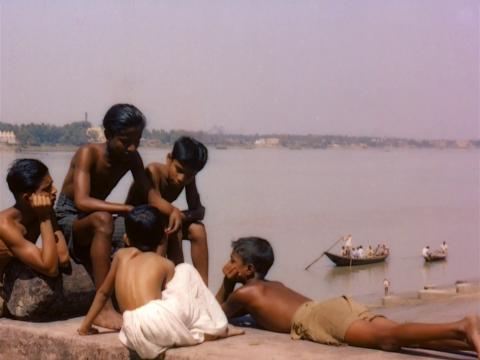
Le fleuve de Jean Renoir
André Bazin est parfois appelé « l’inventeur de la critique cinématographique ». Des générations entières de critiques et de cinéastes, notamment ceux associés à la Nouvelle Vague, sont redevables à ses écrits sur le cinéma. Le film ouvre une « fenêtre sur le monde », selon Bazin. Ses écrits sont également importants pour le développement de la politique des auteurs. Bazin : « Jean Renoir était sans conteste notre plus grand metteur en scène. L’imparfait qui est venu sous ma plume ne signifie point, Dieu merci ! que Renoir a disparu, mais seulement qu’il cessa d’être nôtre. »
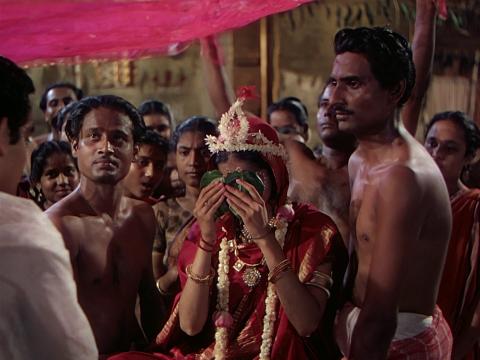
The River van Jean Renoir
André Bazin wordt weleens de “uitvinder van de filmkritiek” genoemd. Hele generaties filmcritici en filmmakers, niet in het minst die verbonden met de Nouvelle Vague, zijn schatplichtig aan zijn schrijfsels over film. Film opent een “venster op de wereld”, aldus Bazin. Zijn geschriften zouden ook belangrijk zijn voor de ontwikkeling van de auteurstheorie. Bazin: “Jean Renoir was ontegenzeglijk onze grootste regisseur. De verleden tijd die hier uit mijn pen rolt betekent godzijdank helemaal niet dat Renoir is omgekomen, enkel dat hij niet meer van ons is.”
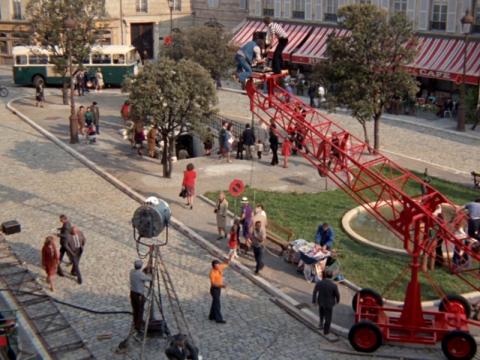
Leve de film! (ode aan La nuit américaine van François Truffaut)
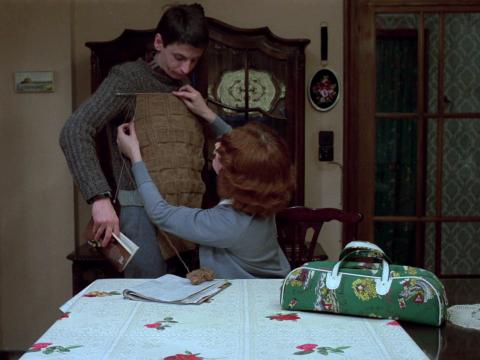
De gerestaureerde versie van Chantal Akermans Jeanne Dielman, 23, quai du Commerce, 1080 Bruxelles (1975) liet me toe een detail op te merken dat me nog niet eerder was opgevallen. Door het beeld te bevriezen herkende ik het omslag van het boek dat Jeannes zoon Sylvain aan het lezen is. Het boek is meer dan een gewoon rekwisiet want de jongen gaat volledig op in het werk en grijpt elke gelegenheid aan om verder te lezen. Wat moeten we aanvangen met de haast onzichtbare, verborgen, mysterieuze aanwezigheid van dit object of verhaal in de film? Het zou te ver gaan om het boek te beschouwen als een mise en abyme van de film, maar het kan in deze tekst wel dienen als een sleutel om te onderzoeken in welk picturaal universum Sylvian en zijn moeder precies vastzitten.
Pedro Costa’s Vitalina Varela
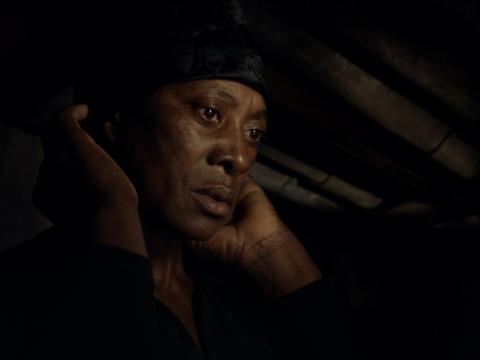
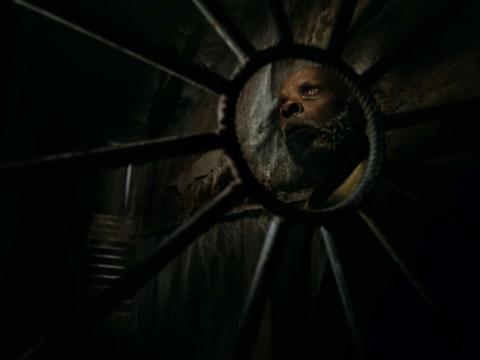
Ventura, who had only played himself in previous films, appears in Vitalina Varela as a full-blown actor, playing against type a double role taken from the world of fiction: a fallen priest character distantly echoing Bernanos’s and Bresson’s miserable country priest; but also a privileged witness of the life of the deceased, a witness behind whom one sometimes seems to perceive the wandering shadow of Joseph Cotten/Leland in his retirement home, even though Citizen Kane is not part of Pedro Costa’s pantheon.
Vitalina Varela van Pedro Costa
Ventura, die in eerdere films alleen zichzelf speelde, verschijnt in Vitalina Varela als een volwaardige acteur die een dubbelrol speelt die niet bij hem past en die ontleend is aan de wereld van fictie: een gevallenpriesterpersonage dat doet denken aan de ellendige plattelandspriester van Bernanos en Bresson; maar tegelijkertijd ook een bevoorrechte getuige van het leven van de overledene, achter wie men soms de schaduw van Joseph Cotton/Leland in het bejaardentehuis denkt te zien rondwaren, ondanks het feit dat Citizen Kane niet tot het pantheon van Pedro Costa behoort.
Gesprek met Eric de Kuyper
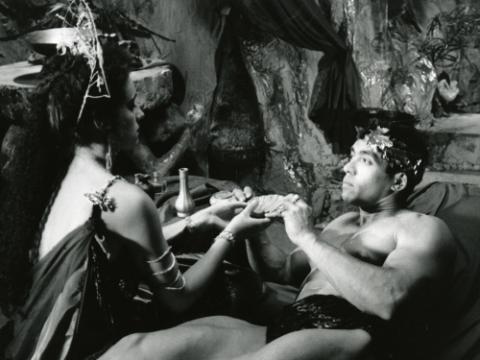
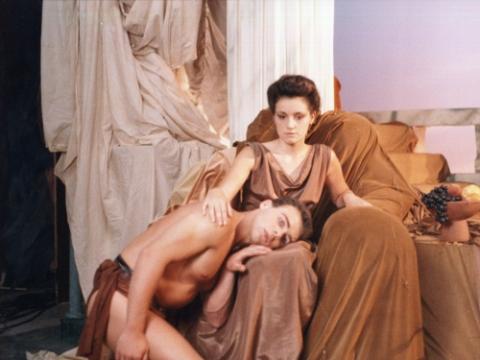
Eric de Kuyper: “Pink Ulysses is een duidelijke confrontatie, het resultaat van mijn studie van het surrealisme, van de droom, van het gebruik van kitsch, het gebruik van symbolen. Vroeger zou ik nooit zo een roos hebben durven of willen gebruiken, nu heb ik het gewoon gedaan. Het is die houding van: laten we eens even kijken of dat niet kan, of we er niets mee kunnen doen.”
Plezierige didactiek en verscheurend hedonisme
Eric de Kuyper wil niemand overreden of bekeren, maar wel de vlam van de passie ook bij anderen aanwakkeren; om plezier te beleven. Geen platvloerse pret, maar de gesofisticeerde, Barthesiaanse notie van ‘le plaisir’: “Het opnieuw pogen te beseffen dat datgene waar het bij kunst uiteindelijk om draait het esthetische genot is. Het is opnieuw het recht opeisen om te zeggen: “Ik hou van”. Het is beseffen dat ik recht heb op ‘smaak’ en dat ik daarvoor de geldende normen wel eens moet doorbreken.”
The 91 year-old Michael Snow is one of the few canonized figures of his ilk, and the structural school he’s said to be part of remains etched into the annals of American cinematic history. Over two conversations, Snow and Brandon Kaufman spoke about [...] retrospection, as well as process, legacy, and experimentation – and the contradictions therein. Michael Snow: “each of my films is different and each film has a different quantity of narrativity. Speaking structurally, narrativity means presenting an event to the audience at a particular time, then referring to that event later. I have tried to control "narrativity" in different ways, trying to get [the film] situated in the ideal “now” of the cinema experience.”
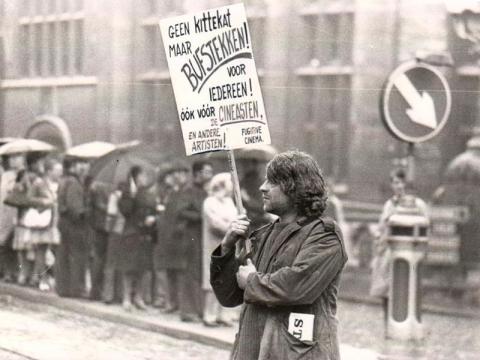
Op 24 augustus 2020 overleed Robin “Robbe” De Hert op 77-jarige leeftijd. Gertjan Willems blikt terug op het leven van de Belgische filmmaker, chroniqueur en promotor van de (Belgische) filmgeschiedenis: “De jonge De Hert verslond alles wat hij te zien kon krijgen, zonder onderscheid. Als de beelden maar bewogen. (...) De Herts veelzijdige filmconsumptie vertaalde zich ook in zijn eigen filmproductie. Van experimentele kortfilms tot maatschappijkritische filmpamfletten, van metafilm tot populaire komedie, van autobiografische drama’s tot een oorlogsfilm over het verzet, en van de adaptatie van een historische plattelandsroman tot een Elsschotverfilming: De Hert deed het allemaal.”
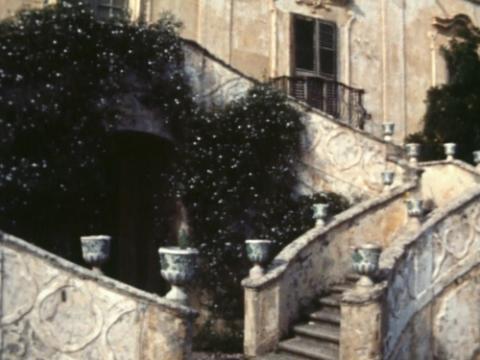
Een film als Méditerranée leert ons dat de tijd zich kan openen door zijn aanwezigheid te ontvouwen. Het is Jean-Daniel Pollets grote doorbraak en het maakt deze film tot een meesterwerk waarnaar we eindeloos kunnen blijven kijken zonder dat de film veroudert of aan kracht inboet, zonder dat de woorden – dwingend, somber, inwijdend, doordrenkt van de immense gloed van de zon – ons ooit de indruk geven dat we ze al gehoord hebben.
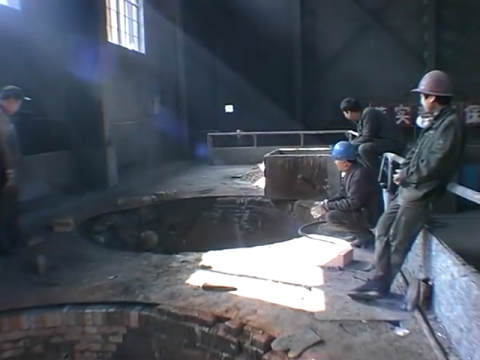
De Amerikaanse kunstenaar Gordon Matta-Clark snijdt een gat door twee aangrenzende zeventiende-eeuwse panden die voor de sloop bestemd zijn. Filmmaker Wang Bing ontleedt urenlang de binnenkant van een fabriekscomplex dat zijn laatste lange adem uitblaast.
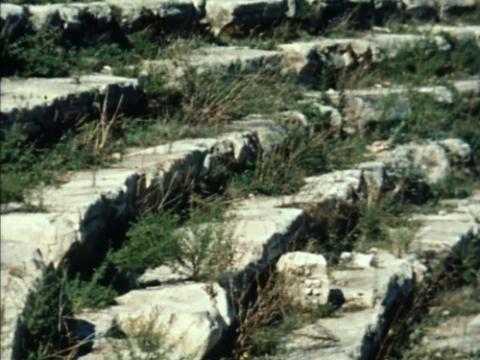
Méditerranée slaagt in een radicale benadering van de mythische functie die door het Griekse werkwoord mueîn, “de ogen en de mond sluiten”, wordt aangeduid en die uitzicht geeft op drie simultane vlakken: dromena: de dingen van handeling – legomena: de gezegde dingen – deiknumena: de getoonde dingen.
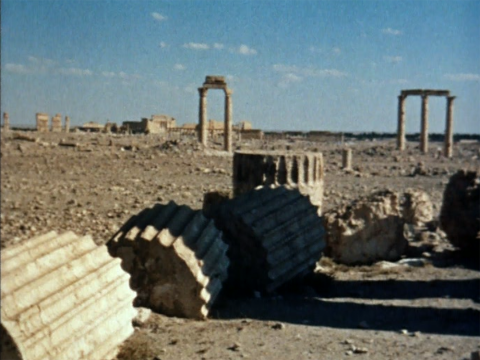
Een onbekend geheugen vlucht halsstarrig naar steeds langer vervlogen tijden. De indruk van ouderdom neemt toe. Velerlei landen… valselijk ingeslapen... En alles lijkt het geordende te hebben van het buiten…onfeilbaar… En steeds die vloed van onmetelijkheid vanbinnen, ‑ die vloed van zwevend geheugen…
De Nederlandse vertaling van de tekst van Philippe Sollers voor Méditerranée van Jean-Daniel Pollet uit 1963.
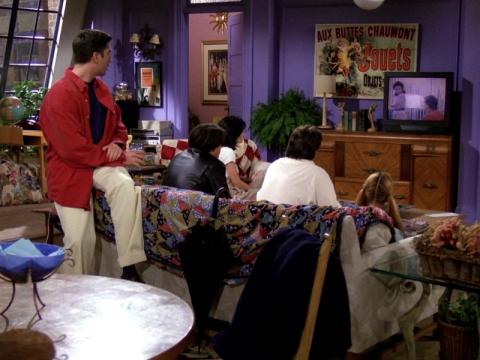
In the series ‘One Spectator Among Others’ Herman Asselberghs and Gerard-Jan Claes invite various passionate film lovers to elaborate on their viewing practice by email. Filmmakers, artists, critics, researchers, authors, programmers, cinemagoers, TV enthusiasts, Netflixers, YouTubers, torrent users... The series takes off with Herman Asselberghs as guinea pig. He makes films, writes about film, teaches at the film department of LUCA School of Arts/Sint-Lukas Brussels and is co-founder of the artist-run production and distribution platform Auguste Orts.
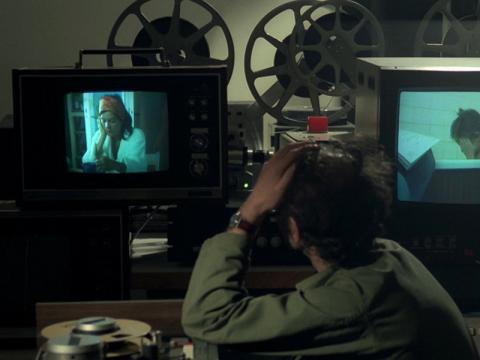
In ‘Een kijker onder de anderen’ laten Herman Asselberghs en Gerard-Jan Claes via e-mail allerlei gepassioneerde filmliefhebbers uitvoerig aan het woord over hun kijkpraktijk. Filmmakers, kunstenaars, critici, onderzoekers, auteurs, programmatoren, bioscoopbezoekers, tv-fanaten, netflixers, youtubers, torrentgebruikers,… De reeks gaat van start met Herman Asselberghs als proefkonijn. Hij maakt films, schrijft over film, geeft les in de filmopleiding van LUCA School of Arts/Sint-Lukas Brussel en is medeoprichter van het productie- en distributieplatform Auguste Orts.
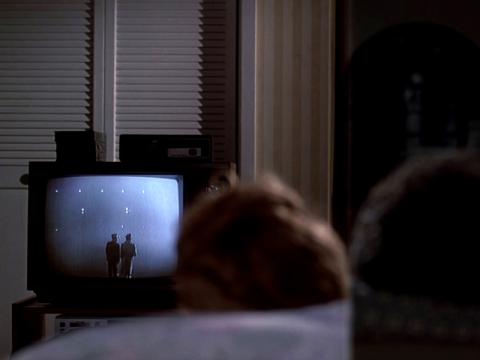
Dans « Un spectateur parmi d’autres », Herman Asselberghs et Gerard-Jan Claes invitent par email toutes sortes de passionnés du cinéma à évoquer en détails leur pratique de spectateur. Cinéastes, artistes, critiques, chercheurs, auteurs, programmateurs, spectateurs en salles, fans de télévision, netflixeurs, youtubeurs, utilisateurs de torrents... La série commence avec Herman Asselberghs comme cobaye. Herman réalise des films, écrit sur le cinéma, enseigne le cinéma à LUCA Bruxelles et fait partie de la plateforme de production et de distribution Auguste Orts.
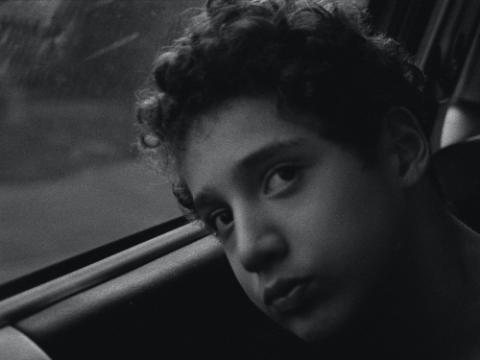
Een gesprek met Ellen Vermeulen
Sabzian ging met documentairemaakster Ellen Vermeulen in gesprek over haar werk.“Mijn werkproces bestaat uit verschillende fases en die vragen heel wat tijd. Om de dingen in perspectief te zien bijvoorbeeld, om los te komen van de aanvankelijke verwondering. In het begin ben je overweldigd en heb je het verlangen om alles te filmen wat je ziet. Maar het is net door dat wachten en het geduld dat je een soort gecondenseerde vorm, of destillaat, overhoudt. En dat is niet inhoudelijk, dat is voornamelijk – bijna alleen – vormelijk.”
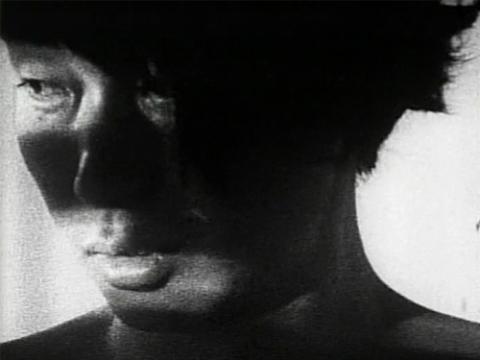
Vergelijkbaar met hoe Paul Auster in The New York Trilogy de coördinaten van de detectiveroman opzet om de observatie, de interpretatiezucht en het verstrooide oppervlak van tekens dramatisch en filosofisch op de spits te drijven, ontwikkelt Child een “negatief” of “omgekeerd melodrama” dat de wereld als een “rommelige, ambigue ruimte” verkent, waarin kritiek met het andere been in het genot ploetert en suspense indicatief is voor broeiende sociale spanningen die zich doorheen de tijd kunnen articuleren.
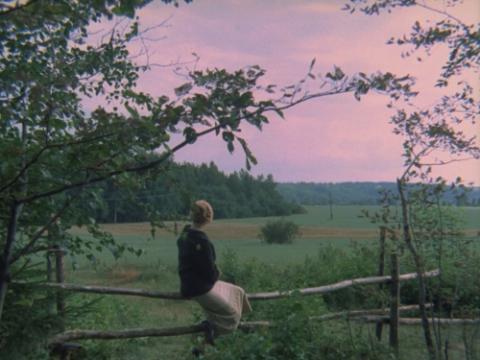
The Mirror is a poem. This is the key to understanding the movie. It is a ciné-poem, complete with metaphors, allusions, references, historicity, lyricism, concrete and abstract images, a number of voices, motifs and symbols, autobiography, stanzas and refrains.
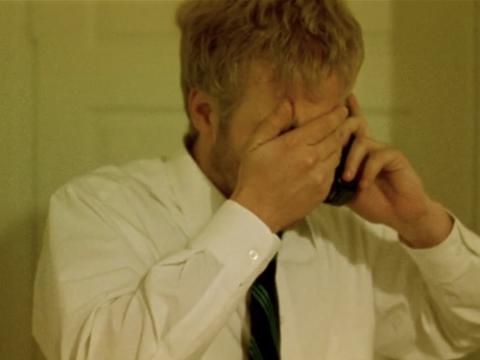
In Shane Carruths sciencefictionfilm Primer (2004) ligt een man bewusteloos op de grond. Zijn collega belt hem wakker. Verward komt de man overeind. Hij lijkt zich niet te herinneren hoe hij hier is terechtgekomen. Dan knippen jump cuts abrupt in de actie.
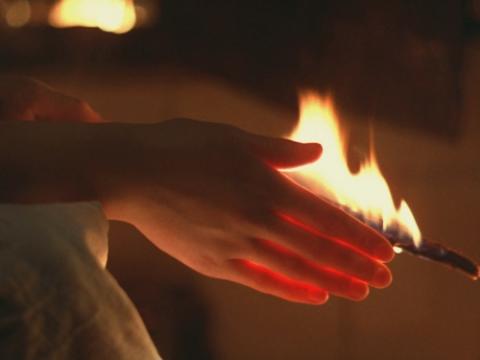
Dans Le miroir, je traite pour la première fois un sujet qui raconte littéralement une histoire vécue. Or, ça fait peur d’évoquer des sensations personnelles qui seront ensuite jugées au tribunal du spectateur. Cela correspond au moment où l'onse force à parler. A-t-on raison en faisant du spectateur le voyeur de ses problèmes personnels ? Est-il certain qu'une histoire de ce type puisse exprimer quelque chose de plus général ?
Cinema in de tegenwoordige tijd
Ik heb goed nieuws, voor iedereen: de cinema zit in een crisis. In zekere zin is dat nauwelijks nieuws want de cinema zit al sinds zijn ontstaan in een crisis. Het is evenmin een teken van toekomstig gevaar – de toekomst is een raadsel en het zou pas echt onverantwoordelijk zijn om er veronderstellingen over te maken of om te proberen haar geheimen te ontraadselen – maar eerder van een seismografische gevoeligheid voor de uitdagingen van tegenwoordig. Ik denk dat er geen ander, relevanter symptoom bestaat van de levenskracht van een kunst dan haar voortdurende invraagstelling, in lijn met de voortdurende herformulering van onze wereld. De echte vraag zou zijn of de krachten die de wereld transformeren ook de krachten zijn die de kunsten transformeren, hoe de ene leeft van de andere – tenzij ze elkaar uitsluiten.
Cinema in the Present Tense
I have some good news, for everyone: cinema is in crisis. Which is hardly news, in a way, for it has continuously been in crisis throughout its existence. It is not a sign of future danger either – the future is an enigma, and it takes a lot of irresponsibility to speculate about it, to pretend to decipher its mysteries – but rather that of a seismographic sensibility to the stakes of the present. I think there is no other symptom more relevant to an art’s vitality than its constant reappraisal, in accordance with the constant reformulation of our world. The real issue would be to know whether the forces that transform the world are the same forces that transform the arts, how both feed on one another, unless they are contradictory.
Olivier Assayas’ Doubles vies
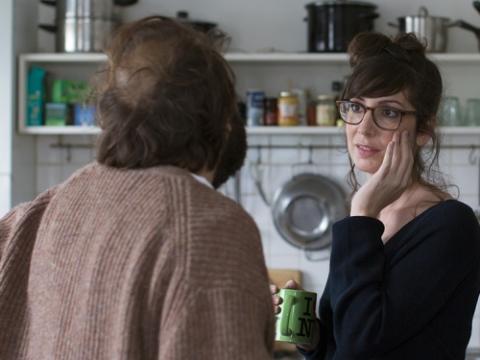
Why is Olivier Assayas’ Doubles Vies (2018) so fresh? And why does the film feel both contemporary and uncontemporary?
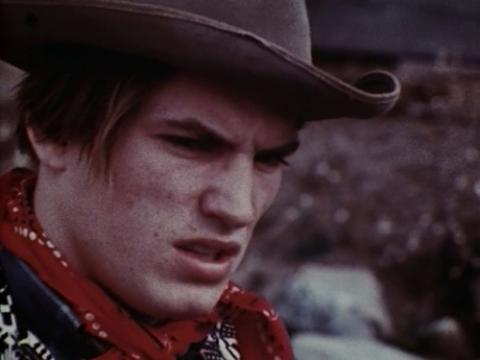
Il faudra pourtant bien un jour rendre la place à Andy Warhol qui est la sienne, celle d’un pionnier du cinéma. L’inventeur brouillon et généreux qui en très peu d'années – quatre, cinq – d’une activité boulimique, enthousiaste, entièrement nourrie par l’évidence et la simplicité du désir et de rien d'autre, a recréé à son propre usage tout un univers de cinéma, dans sa pratique concrète comme dans sa cosmogonie, imposant qu’on pourrait réinventer toujours, tout le temps, toutes les règles du cinéma.
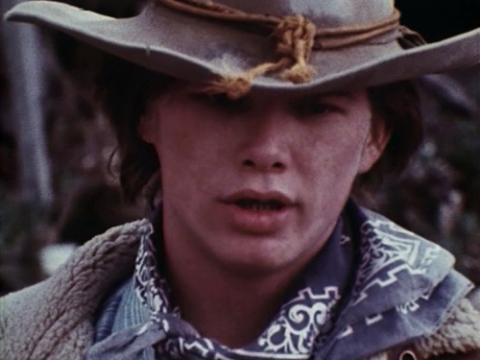
Ooit zullen we Andy Warhol de plaats moeten geven die hem als pionier van de cinema toekomt. De verwarde en vrijgevige uitvinder die slechts in enkele jaren – vier, vijf – van vraatzuchtige, enthousiaste activiteit, volledig gevoed door de evidentie en de eenvoud van het verlangen en door niets anders, voor eigen gebruik een heel filmisch universum heeft gereconstrueerd, zowel in zijn concrete praktijk als in zijn kosmogonie, dat stelt dat men altijd, de hele tijd, alle regels van de cinema opnieuw kon uitvinden.
Preface to Présences by Olivier Assayas
Olivier Assayas is marked by an idea of art that aims at opening things up, by the novels of Kerouac and the poetry of Allen Ginsberg, by the painting of Warhol, Bacon and David Hockney, rather than by cinema, which he’s not fetishistically attached to. This way, far from relating to a period in the sense that his films would reflect a common sensibility – concerning music, particularly – very early and very lucidly, he realised he made films against his generation instead of with it.

Préface de Présences d'Olivier Assayas
Formé à une idée de l’art comme ouverture par les romans de Kerouac et la poésie d’Allen Ginsberg, par la peinture de Warhol, de Bacon et de David Hockney, bien davantage que par le cinéma auquel ne le relie aucun fétichisme cinéphilique. En sorte que, loin de se situer par rapport à une époque dont ses œuvres refléteraient la sensibilité commune – en particulier musicale –, Olivier Assayas a eu très tôt et très clairement conscience de faire des films contre sa génération plus qu’avec elle.
Voorwoord bij Présences van Olivier Assayas
Olivier Assayas is gevormd door een opvatting van kunst die een opening zoekt, te vinden in de romans van Kerouac en de poëzie van Allen Ginsberg, in de schilderijen van Warhol, Bacon en David Hockney, eerder dan door de cinema, waar hij door geen enkel cinefiel fetisjisme mee verbonden is. Op die manier verhoudt hij zich niet tot een tijdperk waarvan de werken een gemeenschappelijke gevoeligheid zouden delen – vooral het geval in de muziek – maar was hij er zich erg snel en erg duidelijk bewust van films te maken tegen zijn generatie eerder dan met.
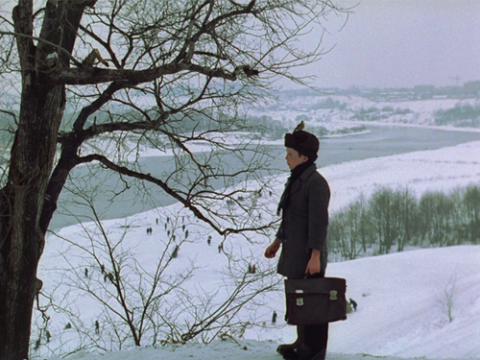
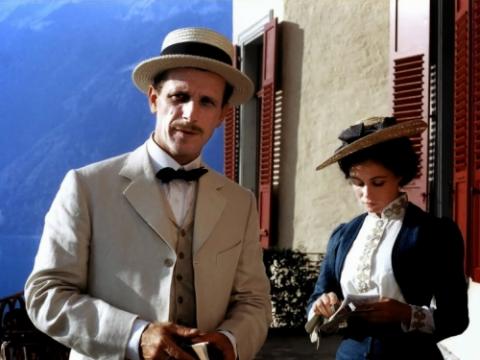
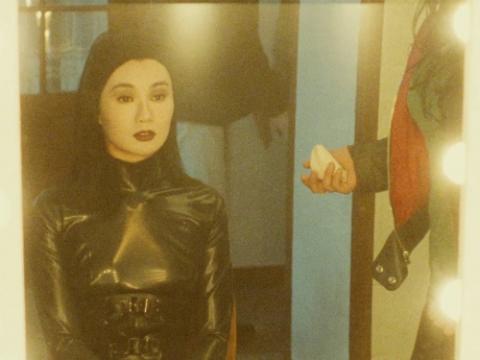
Ten of Olivier Assayas’ favorite films.
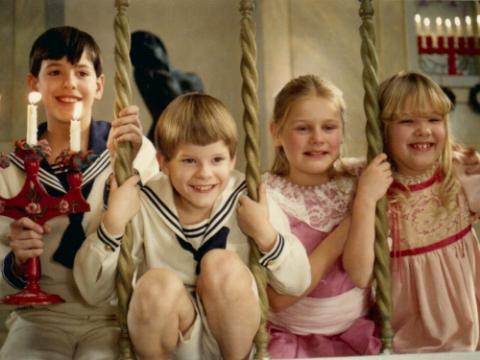
Tien van Olivier Assayas’ favoriete films.
Dix des films préférés d’Olivier Assayas.
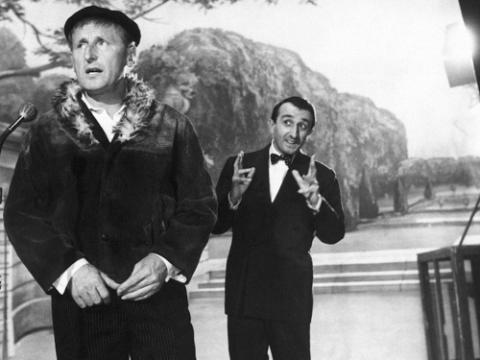
In deze heerlijke leegte beleefde ik mijn cinefiele hoogtepunt van de afgelopen jaren, een onvergetelijke namiddagvertoning van René Clairs Tout l’or du monde (1961). Een non-gebeurtenis waar mijn geest, niet voorafgaand bevuild door promopraatjes van culturele gatekeepers, zich volledig openstelde voor de rijkelijke overdaad van deze charmante vertelling.
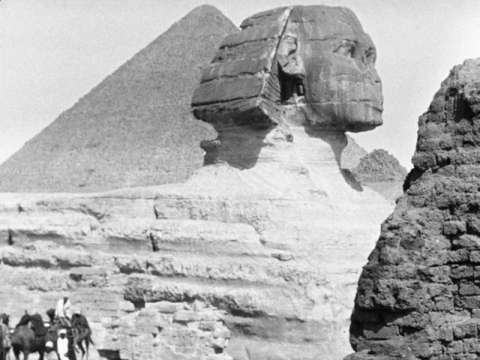
Na het succes van hun eerste vertoningen in 1895 stuurden Auguste en Louis Lumière hun vertegenwoordigers de wereld in om beelden te maken en ze ter plekke meteen te projecteren. Alexandre Promio (1868-1926) was een van de eerste opérateurs die de broers uitzonden. In zijn reisverslag beschrijft Promio hoe het wonder van de cinematografie in alle uithoeken van de wereld op verstomming en enthousiasme werd onthaald. Promio: “Als de verschijning van de Lumière-cinematograaf in Frankrijk en Europa al een enorm enthousiasme wist op te wekken, wat dan gezegd over wat ik in de Verenigde Staten meemaakte?”
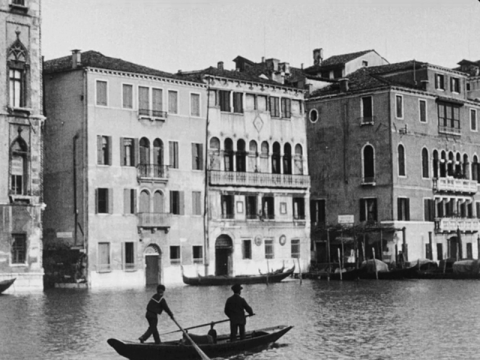
After the success of their first screenings in 1895, Auguste and Louis Lumière sent their representatives out into the world to shoot images and project them on the spot. Alexandre Promio (1868-1926) was one of the first of these opérateurs dispatched by the brothers. In this travelogue, Promio describes how the miracle of cinematography was welcomed with amazement and enthusiasm in every corner of the world. Promio: “If, in France and in Europe, the appearance of the Lumière cinematograph had provoked the greatest enthusiasm, what could I say about what I experienced in the United States?”
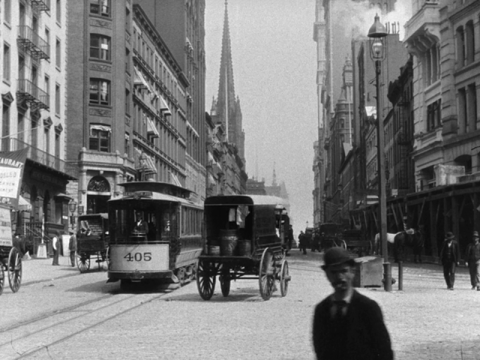
Après le succès de leurs premières projections en 1895, Auguste et Louis Lumière envoient leurs représentants dans le monde entier pour faire des images et aussitôt les projeter sur place. Alexandre Promio (1868-1926) est ainsi l’un des premiers opérateurs pour les frères. L’opérateur décrit dans son Carnet de route l’étonnement et l’enthousiasme que suscite le miracle du cinéma dans le monde entier. Promio : « Si, en France et en Europe, l’apparition du cinématographe Lumière avait provoqué le plus grand enthousiasme, que dirai-je de ce que je vis aux États-Unis ? »
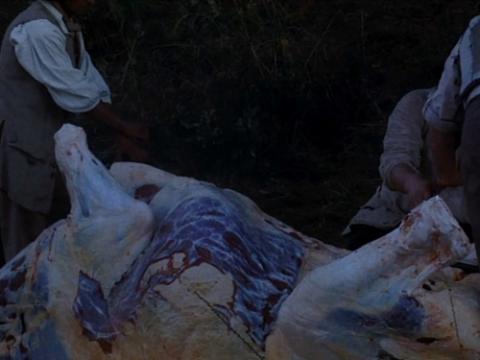
Aan de vooravond van de Franse Revolutie verliest een groep aristocraten zich à la de Sade in een nacht vol perverse uitspattingen. Onbevredigd vergrijpen ze zich aan het bloederige stompje van een geamputeerde arm. Herleid tot een amorf stuk vlees met pulserende blauwe aders waaruit stollend bloed druipt, vervoert het de libertijnen in Albert Serra’s controversiële meesterwerk Liberté (2019).
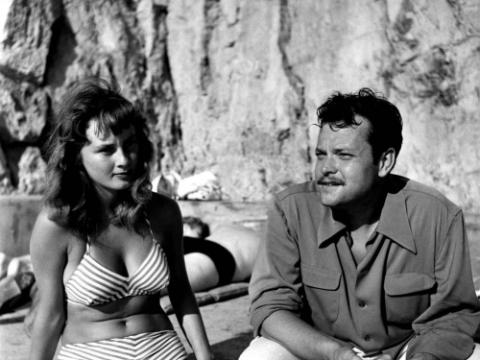
A Psychoanalysis of the Beach
André Bazin is sometimes called “the inventor of film criticism”. Entire generations of film critics and filmmakers, especially those associated with the Nouvelle Vague, are indebted to his writings on film. Film opens a “window on the world”, according to Bazin. His writings would also be important for the development of the auteur theory. Bazin: “For those who do not participate in it, the reality of luxury naturally provokes the painful awareness of being banned. Its cinematographic dramatization, on the contrary, equals its realization and the euphoria of possession.”

Psychanalyse de la plage
André Bazin est parfois appelé « l’inventeur de la critique cinématographique ». Des générations entières de critiques et de cinéastes, notamment ceux associés à la Nouvelle Vague, sont redevables à ses écrits sur le cinéma. Le film ouvre une « fenêtre sur le monde », selon Bazin. Ses écrits sont également importants pour le développement de la politique des auteurs. Bazin : « La réalité́ du luxe, pour qui n’y participe pas, provoque naturellement la conscience douloureuse de l’interdiction. Sa dramatisation cinématographique équivaut au contraire à sa réalisation et à l’euphorie de la possession. »
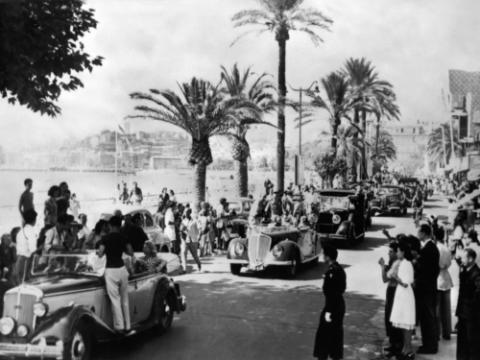
Psychoanalyse van het strand
André Bazin wordt weleens de “uitvinder van de filmkritiek” genoemd. Hele generaties filmcritici en filmmakers, niet in het minst die verbonden met de Nouvelle Vague, zijn schatplichtig aan zijn schrijfsels over film. Film opent een “venster op de wereld”, aldus Bazin. Zijn geschriften zouden ook belangrijk zijn voor de ontwikkeling van de auteurstheorie. Bazin: “Voor wie er niet aan deelneemt, veroorzaakt de werkelijkheid van luxe uiteraard een pijnlijke besef van ontzegging. De cinematografische dramatisering van luxe staat daarentegen gelijk met de realisatie ervan en met de euforie van bezit.”
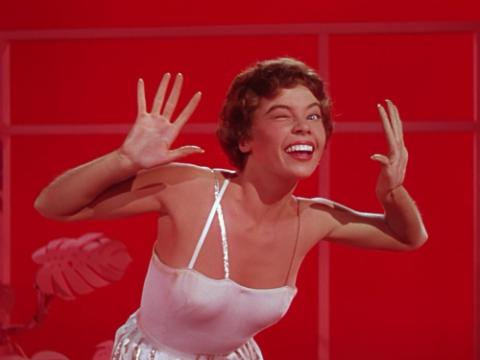
André Bazin is sometimes called “the inventor of film criticism”. Entire generations of film critics and filmmakers, especially those associated with the Nouvelle Vague, are indebted to his writings on film. Film opens a “window on the world”, according to Bazin. His writings would also be important for the development of the auteur theory. Bazin: “Let us summarize the impressions of this fifth Cannes Film Festival and try to draw some constructive lessons from it. The conclusion is simple: a festival is interesting in proportion to the quality of the films that are presented.”
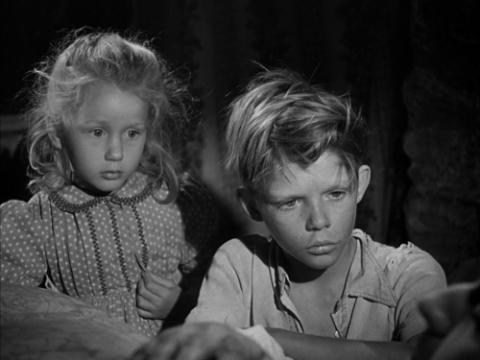
André Bazin est parfois appelé « l’inventeur de la critique cinématographique ». Des générations entières de critiques et de cinéastes, notamment ceux associés à la Nouvelle Vague, sont redevables à ses écrits sur le cinéma. Le film ouvre une « fenêtre sur le monde », selon Bazin. Ses écrits sont également importants pour le développement de la politique des auteurs. Bazin : « Résumons les impressions de ce cinquième Festival de Cannes et tachons d’en tirer quelques leçons constructives. La conclusion est simple : un festival est intéressant à proportion de la qualité́ des films présentés. »