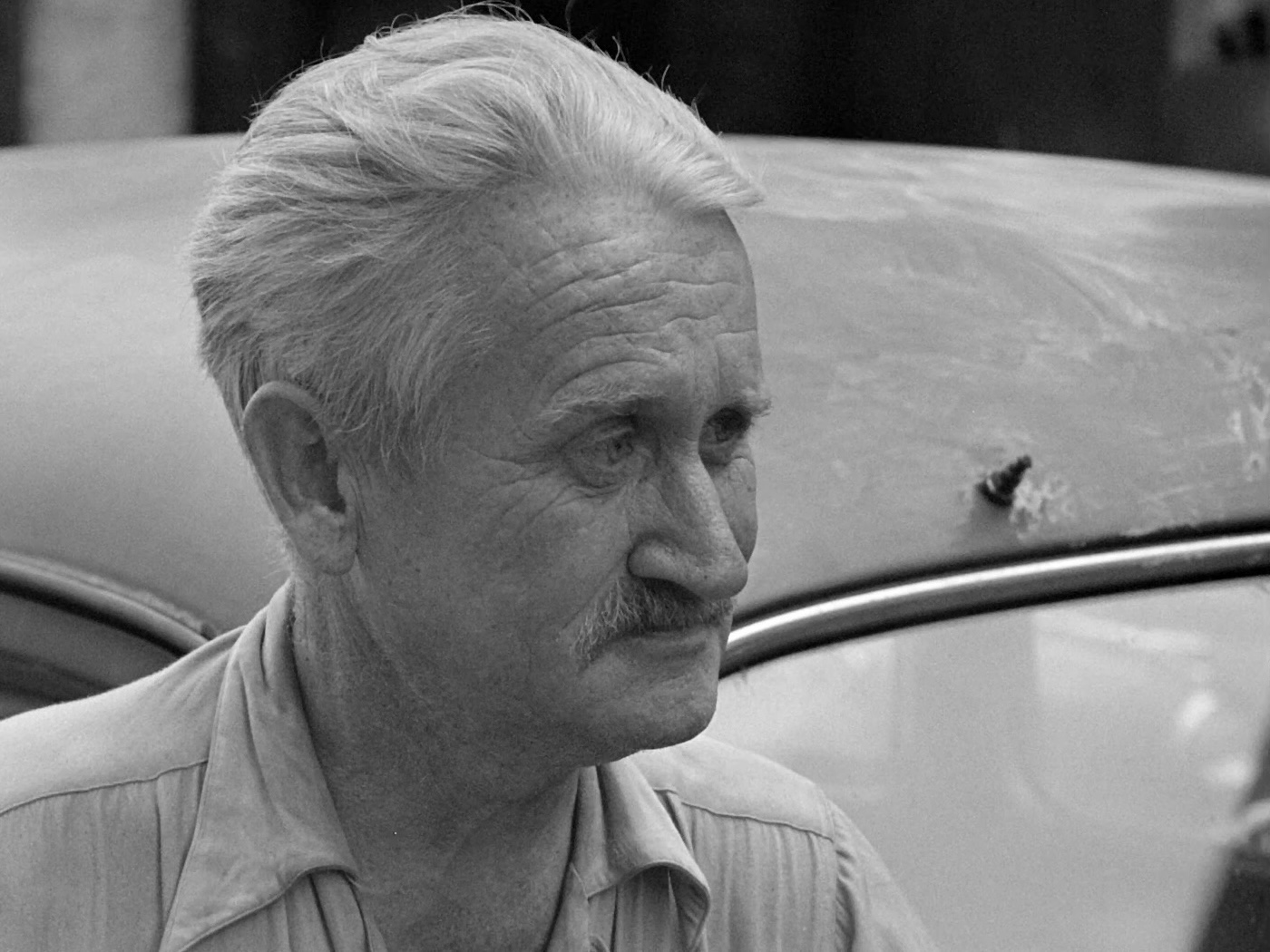
In the bars and on the sidewalks, the camera leans sympathetically across table or grating towards these men and women who have passed the point of no return, and have reached a hideous sort of happiness achieved at best by gin and whisky and at worst (when purchasing power has gone) by a shared squeeze from a can of metal-polish. We are with these people, and we hear what they say: the dialogue, if that is the right word, is quite wonderful. And Rogosin insists that we must love them; he seems to say, with Dostoievsky, that “the sense of their own degradation is as essential to those reckless unbridled natures as the sense of their own generosity”.

