1998

Lionel Rogosin, 1998
ARTICLE
EN

For months I just observed the life on the Bowery, at all hours of the night and day and I developed some absurd schemes. At one point I decided I had to photograph men in the bars secretly. I had a box made for my Bolex camera with a hole in it for the lens. Naturally the results were pathetic and I gave that method up. It was then that I abandoned all pretense of secrecy and decided to come out in the open. Eventually I found out that if I told the people what I wanted to do they were very cooperative and ever since that has always been my method if possible.

Lionel Rogosin, 1998
ARTICLE
EN

When I was approximately eleven years old and performing the Saturday afternoon ritual of attending the local movie theatre, Flaherty’s Man of Aran unrolled upon the screen and I was suddenly aware of an extraordinary sensation. It was similar to the reaction a Siberian nomad would have had upon his first view of the ocean; awe and disbelief.

Diana Digges, 1998
CONVERSATION
EN

Atteyat Al-Abnoudy’s definition of documentaries is simple and all-encompassing: “No script, no actors, no direction. The cameraman follows the subject.” (...) “What I want,” says Al-Abnoudy, leaning forward to make the point, “is a Déscription de l’Egypte on film.” Layers and layers of thick description that would make Clifford Geertz happy, testimonies from people rarely heard from, images of daily struggles to survive, dreams deferred but not forgotten.

Heiny Srour, 1998
ARTICLE
EN

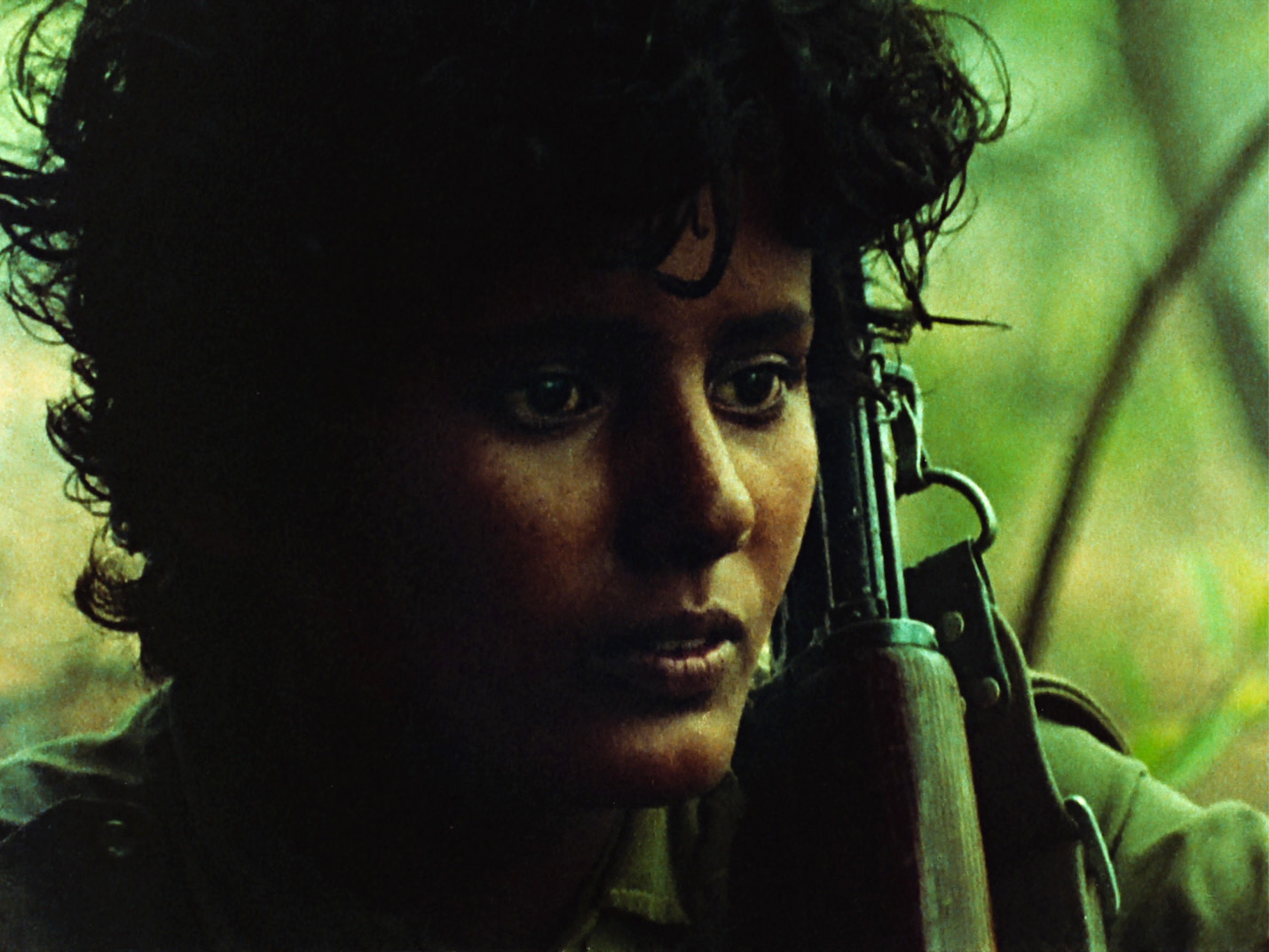
All this to explain why I have compulsively found myself making films that are so much more difficult to make than those of my male colleagues.

Jacques Aumont, 1998
ARTICLE
FR EN

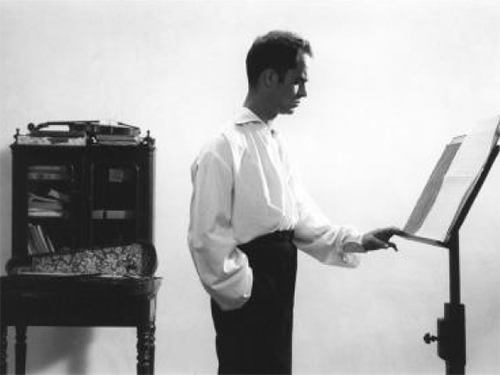
Le sujet de tous les films du monde, c’est : je t’aime-tu m’aimes, ou alors, je t’aime-tu ne m’aimes pas ; je et tu, répartis entre amants et parents. Ce film a pour sujet le sujet de tous le films : mon « cher » sujet, mon cher « sujet ».

Jacques Aumont, 1998
ARTICLE
FR EN

The subject of all the films in the world is: I love you-you love me, or rather, I love you-you don’t love me; I and you, distributed among lovers and parents. This film’s subject is the subject of all films: my “dear” subject, my dear “subject.”

Anne-Marie Miéville, 1998
Interviewed by Danièle Hibon
ARTICLE
NL FR EN

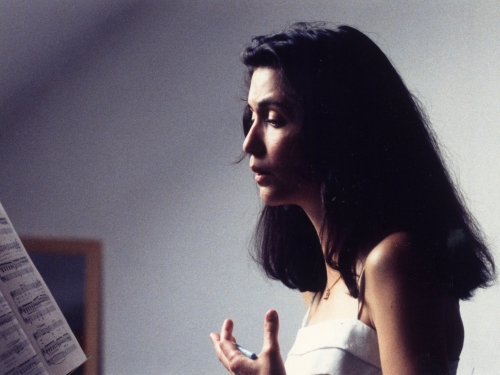
Making a film is like a laboratory for a whole thought process, a place where one can take stock, not only of one’s own personal development, but also other people’s. It is a very privileged creative space where something can be grasped that might otherwise drift off like smoke and disappear. However, at times, I have dreamed of doing something completely different because filmmaking is the work of sublimation, as they say, and therefore restrictive. Afterwards, there is not necessarily an exchange or a return that could keep things alive. You have to start over and begin creating again immediately. If you stop, things get very quiet.

Anne-Marie Miéville, 1998
Propos recueillis par Danièle Hibon
ARTICLE
NL FR EN

Faire un film est un lieu d’expérimentation de tout un travail de réflexion, un lieu où l’on peut rendre compte de son cheminement personnel mais aussi de celui des autres, c’est un espace de création très privilégié où l’on arrive à rendre compte de quelque chose qui aurait pu partir en fumée. Mais j’ai quelquefois rêvé de faire tout autre chose parce que c’est un travail de sublimation comme on dit, donc forcément restrictif. Après, il n’y a pas forcément d’échange, de retour, pour que ça reste vivant, il faut tout de suite recommencer à créer, refaire immédiatement quelque chose ; si on arrête, c’est très silencieux.

Anne-Marie Miéville, 1998
Opgetekend door Danièle Hibon
ARTICLE
NL FR EN

Een film maken is een plek van experiment voor een heel reflectiewerk, een plek waar je verslag kan uitbrengen over je eigen ontwikkeling maar ook over die van anderen, het is een ruimte van erg bevoorrechte creatie waar men zich rekenschap kan geven van iets dat in rook zou kunnen zijn opgegaan. Maar ik heb soms gedroomd om heel andere dingen te doen omdat het een werk van sublimatie is, zoals men zegt, en dus erg beperkend. Achteraf is er niet noodzakelijkerwijs uitwisseling, terugkoppeling, opdat het levend blijft, moet je meteen opnieuw beginnen creëren, onmiddellijk opnieuw iets maken; als je stopt, wordt het erg stil.