Week 51/2025
An early film noir classic , Billy Wilder’s Double Indemnity lets the viewer in on the dark plans of a housewife who seduces an insurance agent into murdering her husband. The downbeat, pessimistic atmosphere of American society in the 1940s is stylistically captured using low-key lighting, harsh contrasts and wide-angle lenses, making it the prototypical film noir that shaped the genre. Barbara Stanwyck’s morally ambiguous character barely made it through censorship. As the archetypical femme fatale, she would inspire many directors, not least Alfred Hitchcock, who complimented Wilder in the following words: “Since Double Indemnity, the two most important words in motion pictures are 'Billy' and 'Wilder'.” Double Indemnity is shown at Cinematek.
Wilder’s far-reaching influence is clearly visible in Brian De Palma’s Blow Out, which uses similar stylistic devices to create a dark, cynical mood. However, the most important source of inspiration for this neo-noir thriller was Michelangelo Antonioni’s 1966 Blowup, which follows a photographer who discovers a murder by enlarging one of his photographs. Replacing photography with audio recording, De Palma creates a bleak vision of American society, permeated by corruption and violence. Blow Out is shown at Cinema Flagey as part of a cycle of De Palma’s films.
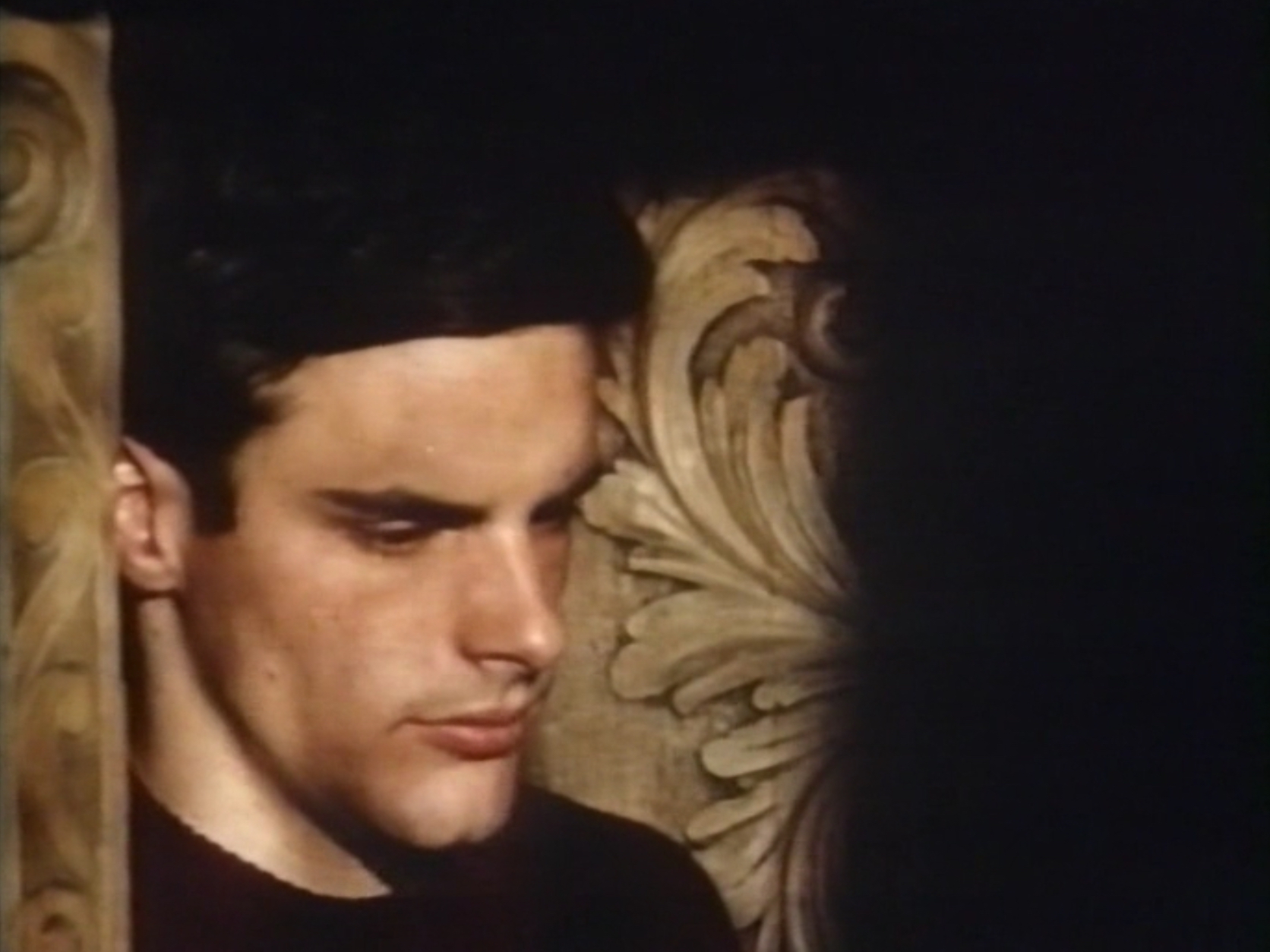
In Twice a Man, American-Greek avant-garde filmmaker Gregory J. Markopoulos transposes the myth of Hippolytus to 1960s New York. Experimenting with the relationship between narrative, editing and mise en scène, the film marks a turning point in the filmmaker’s oeuvre, which, from then on, would increasingly evolve towards an exploration of the essential parameters of the medium of film. Although released as a single-screen film in 1963, Markopoulos organized an alternative, performative screening in 1966, projecting two versions of the film side by side, one running forward and one running backward. Art Cinema OFFoff restages this screening, valuing film projection as an act of creation.